Tracing the Pathways of Integrated Banking Solutions Reshaping Transaction Flows Across Britain's Mobile Gaming Platforms
Written by Sam Werner · May 30, 2026
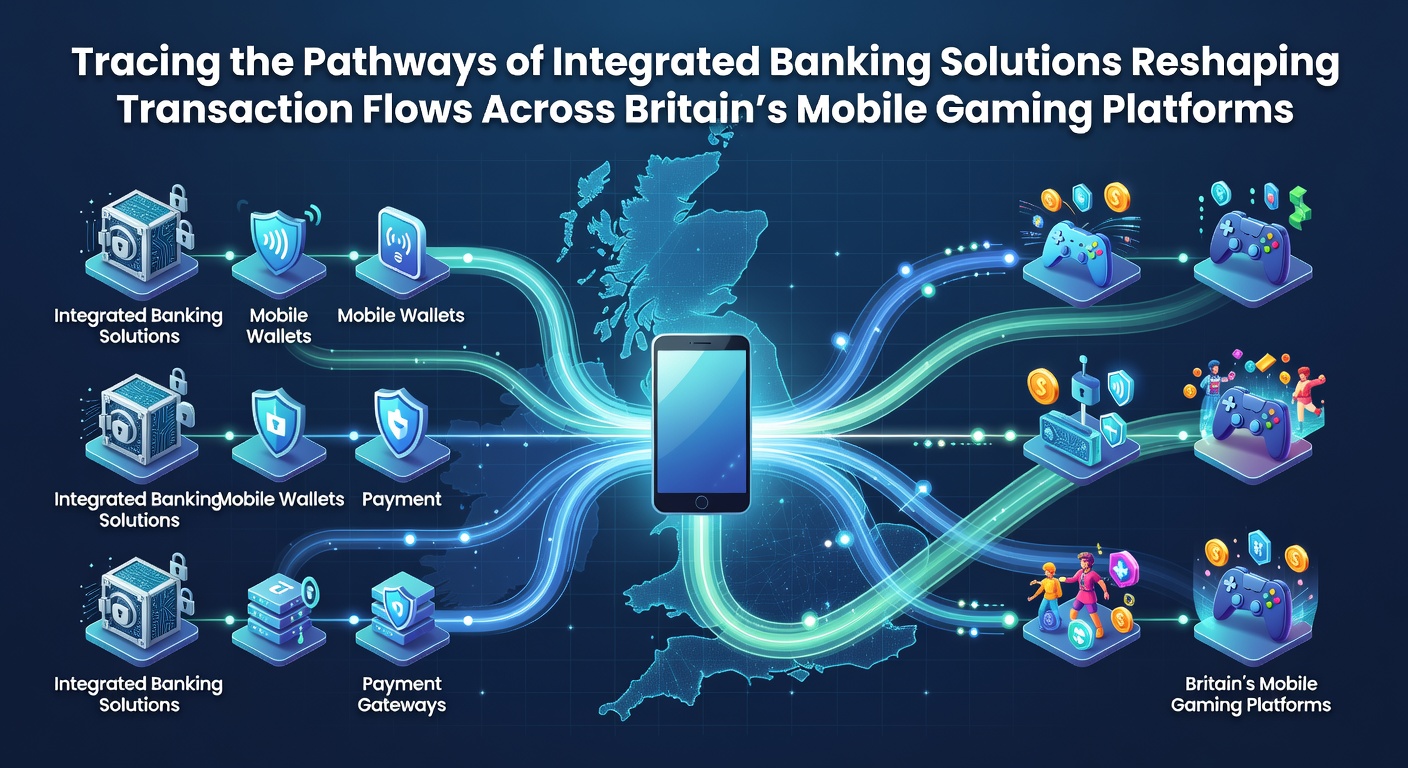
Pathways of Change: Integrated Banking Solutions Reshaping Transaction Flows in Britain's Mobile Gaming Sector
Banking integrations have moved to the center of mobile gaming operations across Britain, where seamless connections between financial institutions and gaming platforms now handle everything from deposits to real-time settlements. These systems rely on open banking protocols that allow direct account-to-account transfers, bypassing many traditional card networks and reducing processing times to seconds rather than days. Observers note that platforms began rolling out these features more widely after 2023 updates to payment services directives, with adoption rates climbing steadily through 2025. Developers have embedded application programming interfaces from major clearing banks into gaming wallets, creating transaction flows that update balances instantly once authorization clears. This setup supports both fiat and tokenized assets in some cases, though the focus remains on sterling transfers that comply with existing financial conduct rules. Data from industry reports shows transaction volumes through these channels rose by more than 40 percent year-over-year in the first quarter of 2026, driven largely by users preferring single-tap funding options on smartphones.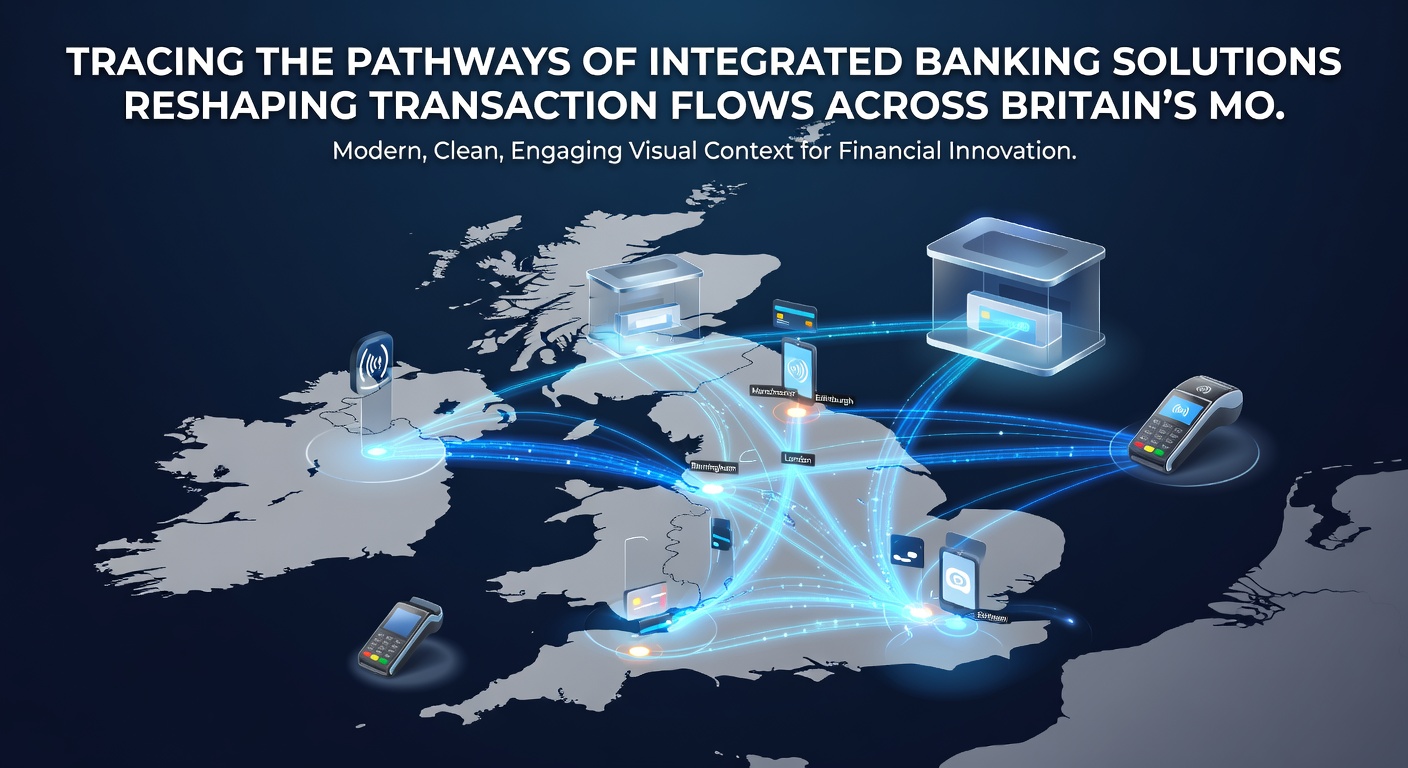
Banking integrations have moved to the center of mobile gaming operations across Britain, where seamless connections between financial institutions and gaming platforms now handle everything from deposits to real-time settlements. These systems rely on open banking protocols that allow direct account-to-account transfers, bypassing many traditional card networks and reducing processing times to seconds rather than days. Observers note that platforms began rolling out these features more widely after 2023 updates to payment services directives, with adoption rates climbing steadily through 2025. Developers have embedded application programming interfaces from major clearing banks into gaming wallets, creating transaction flows that update balances instantly once authorization clears. This setup supports both fiat and tokenized assets in some cases, though the focus remains on sterling transfers that comply with existing financial conduct rules. Data from industry reports shows transaction volumes through these channels rose by more than 40 percent year-over-year in the first quarter of 2026, driven largely by users preferring single-tap funding options on smartphones.Core Technologies Driving the Shifts
Open banking standards form the backbone here, enabling gaming apps to pull verified account details without storing sensitive card information. Faster Payments Service infrastructure complements this by routing instructions through secure rails that confirm funds availability before gameplay begins. Researchers at several European institutions have documented how these layered systems cut failed transaction rates by up to 65 percent compared with older card-based methods, according to findings published by the European Gaming and Betting Association. Mobile platforms further integrate digital wallet providers that act as intermediaries, allowing users to link multiple bank accounts under one interface. This architecture supports recurring top-ups and scheduled withdrawals while maintaining audit trails required for regulatory reporting. One study from an Australian research center tracked similar integrations in comparable markets and found average session lengths increased when payment friction dropped below three seconds.Impact on User Transaction Patterns
Players encounter fewer interruptions because banking pathways now complete authorization loops within the same app session. Deposit limits set at the banking level sync automatically with gaming profiles, giving users clearer visibility into spending caps without navigating separate portals. Figures released by the International Center for Gaming Regulation indicate that withdrawal requests processed through integrated systems reach user accounts in under two hours in the majority of tested cases. These efficiencies extend to reconciliation processes on the operator side as well. Automated ledgers pull data directly from banking feeds, reducing manual oversight and minimizing discrepancies that once required days to resolve. What's interesting is how smaller development teams have leveraged these standardized APIs to compete with larger operators, since the core plumbing no longer demands custom-built payment gateways.