The Quiet Shift: How Tiered Reward Systems Are Reshaping User Behavior in Britain's Online Casino Environments
Written by Sam Werner · Aug 8, 2026
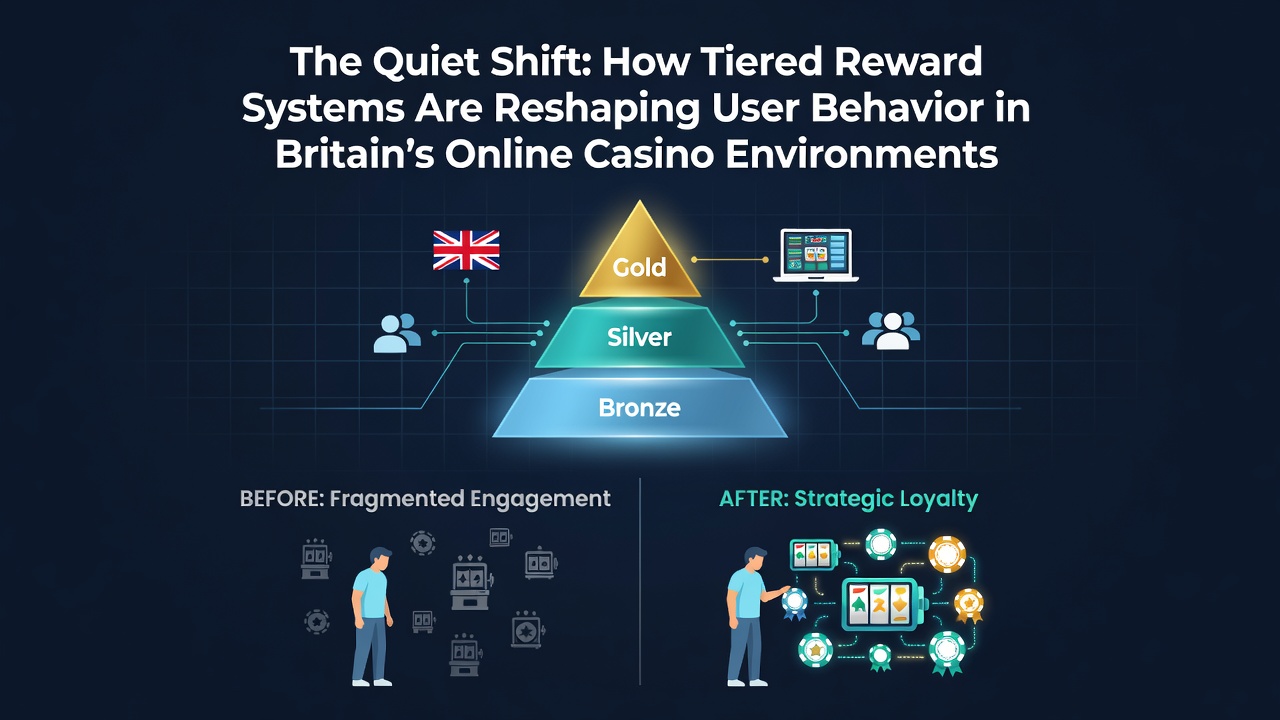
Britain's online casino platforms have integrated tiered reward systems at scale, and operators track these programs through detailed player data that shows clear shifts in engagement patterns. These structures assign users to progressive levels based on activity metrics such as deposit frequency, wager volume, and session length, then unlock escalating perks including bonus credits, cashback percentages, and exclusive game access. Data compiled through mid-2026 indicates that participation in these tiers correlates with extended play periods, and August 2026 figures from industry monitoring services reveal an uptick in average session durations among users who advance beyond entry-level status. Operators structure these programs around point accumulation formulas where each wager contributes to a running total that determines tier status. Lower tiers typically offer standard reload bonuses while mid and upper levels provide personalized account managers along with accelerated withdrawal processing. Research from the Canadian Centre on Substance Use and Addiction highlights similar mechanics in other jurisdictions where tier advancement leads to measurable increases in repeat visits. British platforms apply comparable logic, and internal metrics shared across trade associations show that users reaching higher tiers often maintain consistent activity even during periods of lower promotional intensity.Mechanics Behind Tier Progression
Each platform defines its own criteria for advancement, yet common elements include monthly or quarterly resets that require sustained play to retain status. Users accumulate points through slot spins, table game wagers, and live dealer sessions, with multipliers sometimes applied during peak hours or on selected titles. This setup encourages exploration of new games because certain categories award bonus points that accelerate tier movement. Observers note that many programs now incorporate time-bound challenges where completing a set number of deposits or achieving specific return-to-player thresholds unlocks immediate tier boosts.
August 2026 updates across several major sites introduced dynamic tiering that adjusts thresholds based on aggregate player behavior, allowing the system to respond to broader trends without manual intervention. These adjustments keep progression attainable for active users while maintaining exclusivity for top performers. The result appears in retention statistics that track users across multiple months, revealing lower churn rates once an individual crosses into the second or third tier.
Observed Changes in User Patterns
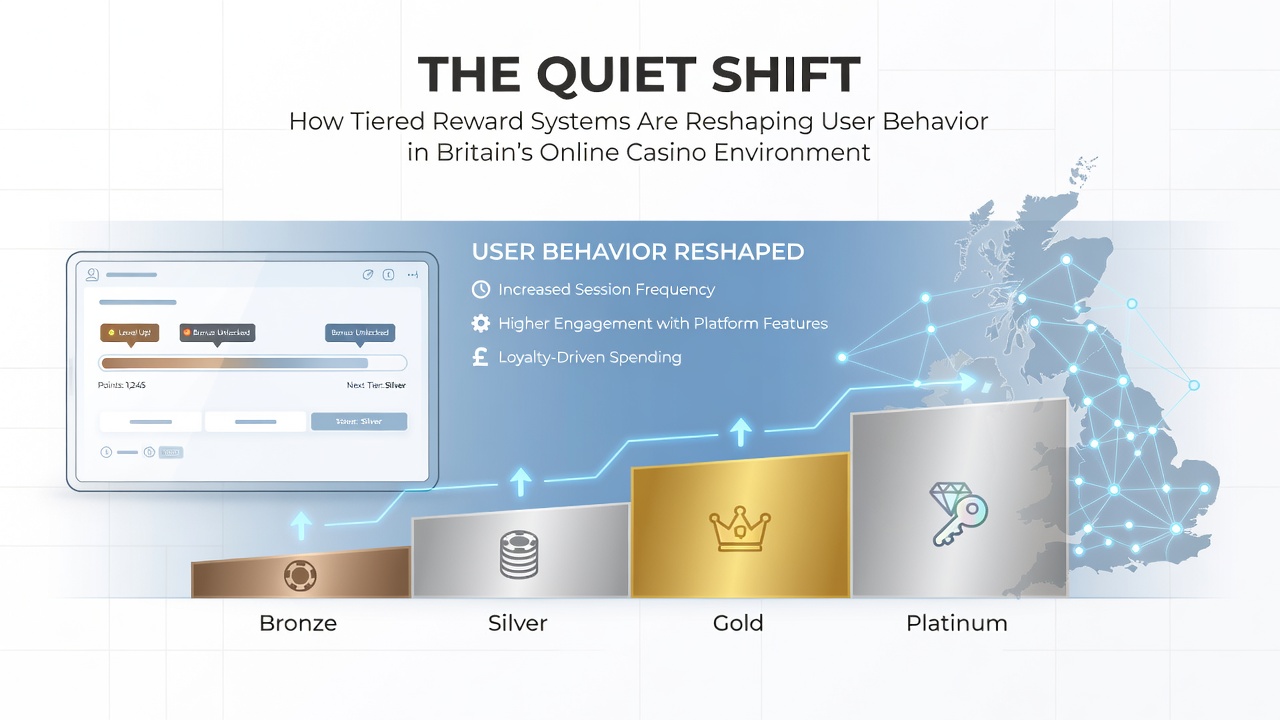
Platform analytics indicate that tiered rewards influence deposit timing, with many users spacing activity to align with monthly qualification windows. Higher-tier members show greater willingness to try higher-volatility titles because loss-mitigation features such as insurance-style cashback become available at those levels. A study conducted by Monash University researchers on reward structures in digital gambling environments found parallel outcomes where participants extended play sessions when visible progress toward the next tier remained within reach.
Take one dataset released in August 2026 that compared tiered versus non-tiered cohorts over a six-month window. The tiered group recorded higher total wager amounts per active account, yet the distribution of play across game types also broadened as users chased category-specific multipliers. Those who reached elite tiers demonstrated more predictable login schedules, often clustering sessions around bonus credit issuance dates. Lower-tier users meanwhile displayed higher dropout rates once initial welcome offers expired, underscoring the retention effect that compounds with each level gained.
Regulatory and Industry Context
While British operators refine these systems, external bodies such as the International Centre for Gaming Regulation have published guidelines encouraging transparency around how points convert to rewards and how long status remains valid. Platforms that adopted clearer disclosure language in early 2026 reported smoother user transitions between tiers and fewer support queries about qualification rules. Trade groups have begun sharing anonymized progression data to identify whether certain tier designs produce disproportionate concentration of play among smaller user segments.
One notable development involves integration of tier status with responsible gambling tools, where higher-level members receive tailored limit-setting prompts calibrated to their historical activity. This linkage emerged more prominently after August 2026 consultations that examined how loyalty mechanics intersect with player protection requirements. The approach allows operators to maintain engagement incentives while embedding safeguards that scale with user investment in the platform.
Conclusion
Tiered reward systems continue to embed themselves into Britain's online casino landscape through measurable impacts on session length, game selection, and retention curves. Data gathered through 2026 shows consistent patterns where progression through levels corresponds with altered deposit rhythms and broader exploration of available titles. External research from varied jurisdictions supports the observation that visible advancement mechanics sustain participation once users pass initial thresholds. As platforms refine these structures further, the quiet accumulation of points and status remains a central driver of how individuals interact with digital gambling environments across the country.