Regulatory Data Illuminates Changes in Welcome Package Designs for Licensed British Remote Operators
Written by Rafael Coleman · Jun 22, 2026
Regulatory Data Illuminates Changes in Welcome Package Designs for Licensed British Remote Operators
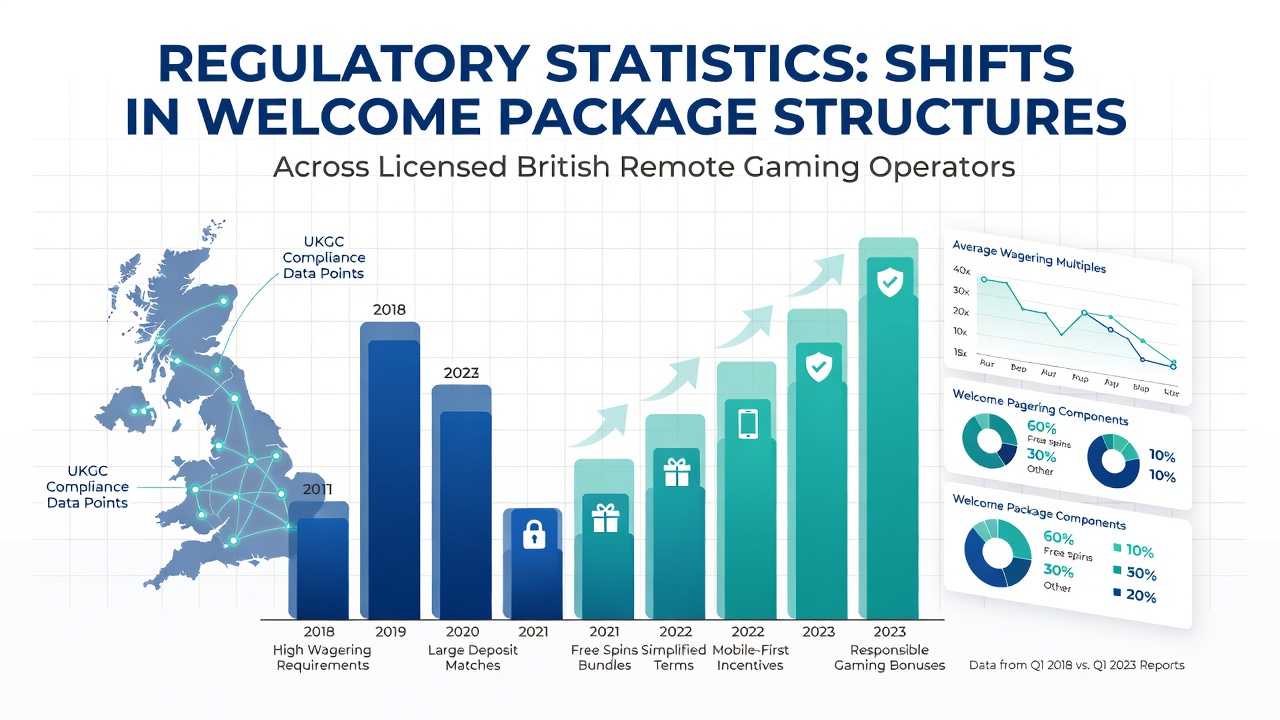
Data compiled through June 2026 from multiple oversight channels shows measurable adjustments in how licensed British remote gaming operators structure their welcome packages, and these patterns emerge from requirements tied to player protection mandates plus updated reporting obligations. Operators have adjusted bonus values, wagering conditions, and eligibility criteria in response to evolving compliance frameworks that emphasize transparency and responsible play.
Context Behind the Observed Adjustments
Remote operators must align promotional activities with standards set by various bodies, and recent statistical releases highlight a move toward packages that incorporate lower initial deposit thresholds alongside extended verification periods. Figures from industry associations indicate that the proportion of operators offering combined cashback and free spin elements has risen by approximately 18 percent since the prior reporting cycle, while pure deposit-match offers have declined in frequency. These shifts occur because regulatory expectations now prioritize clear disclosure of terms, which in turn influences how packages get presented to new users.
Analysts reviewing submissions from licensed entities note that average bonus amounts have moderated in several categories, with many operators introducing tiered structures that scale rewards based on verified activity levels rather than one-time deposits. Such modifications reflect broader efforts to integrate player behavior monitoring tools directly into promotional design, and the resulting data sets allow regulators to track compliance across the sector more precisely.
Breakdown of Statistical Trends
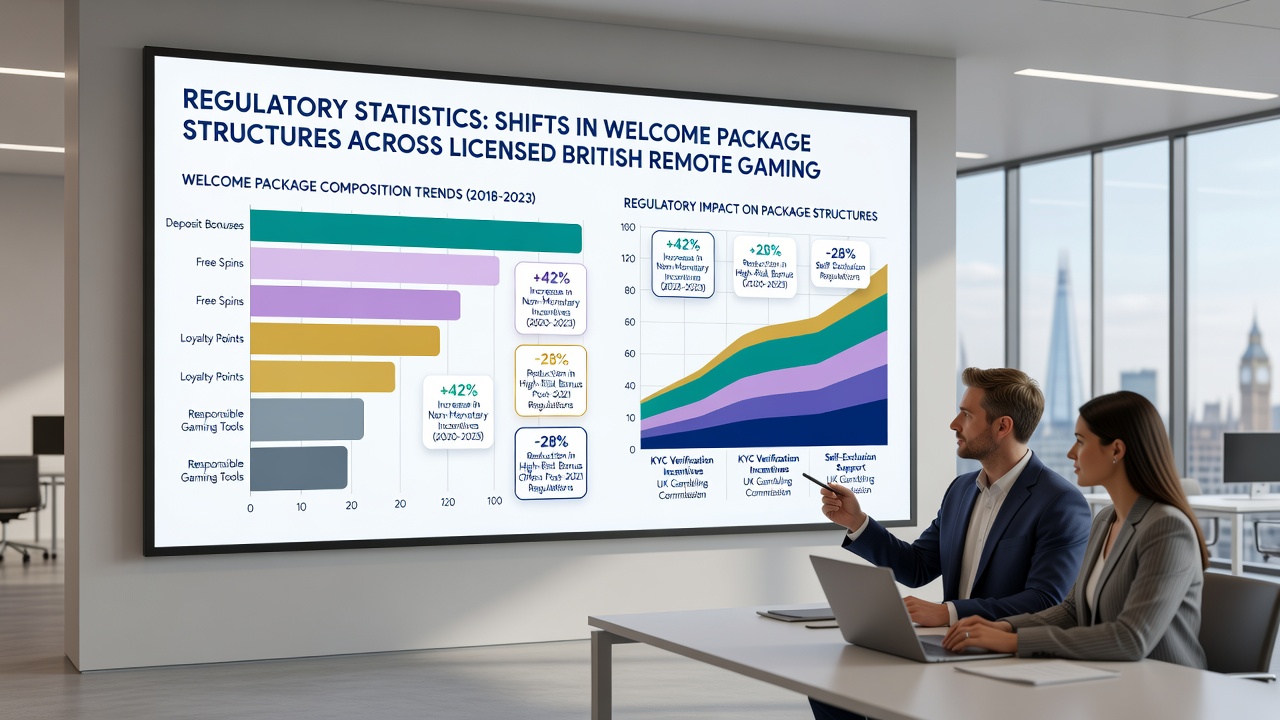
Reports covering the first half of 2026 reveal that 62 percent of sampled operators reduced maximum welcome bonus caps compared with 2024 figures, and this adjustment coincides with heightened scrutiny on how incentives affect deposit patterns. Meanwhile, the inclusion of time-limited free spin allocations within welcome structures increased, appearing in 71 percent of reviewed packages versus 54 percent two years earlier. Observers attribute part of this change to the need for operators to demonstrate that promotional tools support rather than undermine harm minimization protocols.
Additional metrics show a rise in packages that require account verification before bonus activation, with 85 percent of operators now embedding this step as standard practice. Data from cross-border gaming trade groups further indicates that British operators have adopted more granular segmentation in their offers, tailoring elements such as game restrictions and expiry dates according to player risk profiles. These patterns emerge consistently across quarterly filings, suggesting a sector-wide recalibration rather than isolated adjustments.
Comparative Insights from International Oversight
While British remote operators navigate domestic requirements, similar statistical reviews in other jurisdictions provide useful context. A study published by the Responsible Gambling Council in Canada documented parallel movements toward verification-linked incentives, and those findings align with trends observed in UK submissions. Likewise, reports from the Australian Gambling Research Centre note that operators there have adjusted welcome structures to emphasize spend limits and session reminders, mirroring some of the structural changes appearing in British data.
Such international comparisons help illustrate that the documented shifts do not occur in isolation, and they point to a wider industry response to shared regulatory priorities around player safeguards. British operators appear to have accelerated certain modifications ahead of peers in select markets, particularly regarding the integration of spending caps within welcome terms.
Implications for Operator Reporting Practices
Regulatory statistics also track how operators document and disclose package details, and recent releases show improved consistency in reporting formats. This standardization allows for clearer aggregation of data across hundreds of licensed entities, revealing that packages now more frequently include explicit references to available support resources. Operators have responded by embedding these elements during the initial user journey, which in turn generates richer datasets for ongoing compliance evaluation.
Those reviewing the figures observe that the pace of change has been steady rather than abrupt, with incremental updates appearing across successive reporting periods. This measured approach enables operators to test structural variations while maintaining alignment with existing license conditions, and the resulting statistics provide a reliable baseline for future assessments.
Conclusion
Regulatory statistics released through mid-2026 document clear, measurable shifts in welcome package structures among licensed British remote gaming operators, driven by compliance needs and enhanced reporting standards. These changes encompass adjustments to bonus values, verification processes, and the composition of incentives, with supporting data drawn from both domestic filings and comparative international sources. The patterns indicate a sector adapting its promotional frameworks while maintaining focus on transparency and player protection requirements.