Payment Velocity Patterns Fuel Retention Shifts in Britain's Emerging Digital Gambling Platforms
Written by Rafael Coleman · Jul 25, 2026
Payment Velocity Patterns Fuel Retention Shifts in Britain's Emerging Digital Gambling Platforms
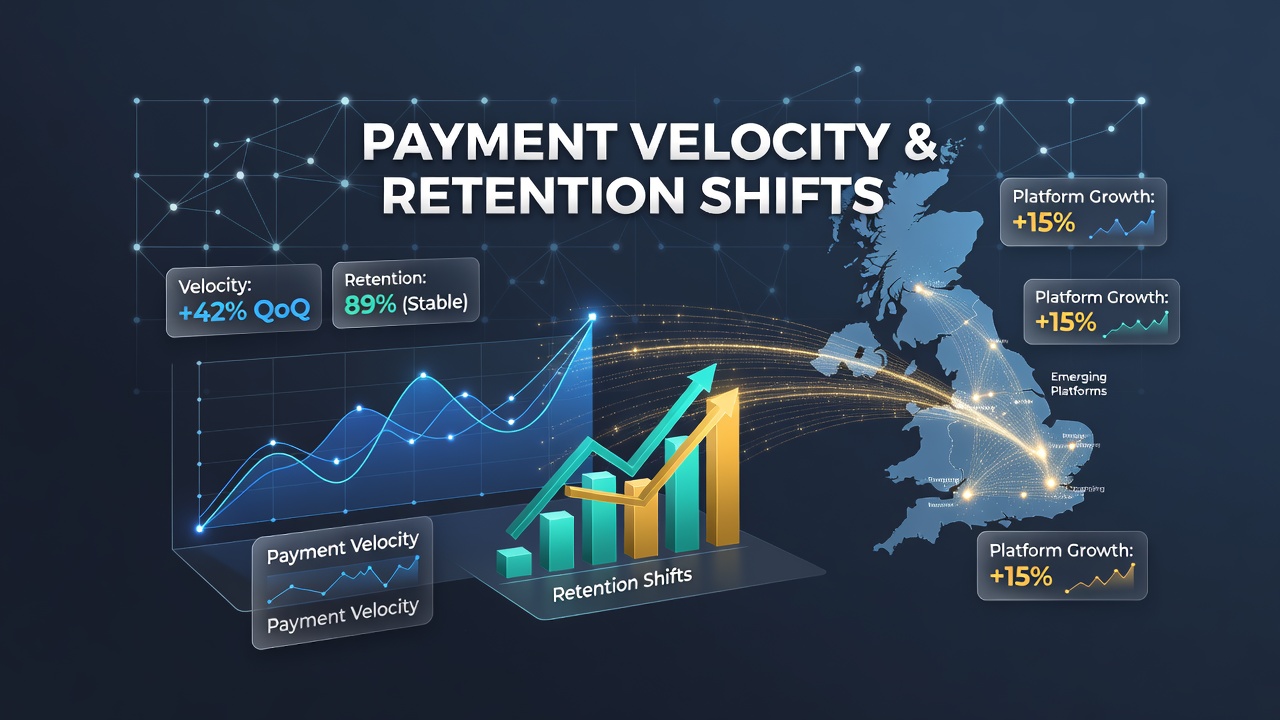
Transaction speed now stands at the center of how Britain's newer digital gambling platforms manage player loyalty, and patterns in payment velocity reveal clear connections to retention rates. Faster deposit confirmations and withdrawal processing create measurable differences in how often users return to these sites, according to aggregated industry metrics collected through 2026. Observers tracking these platforms note that velocity, defined as the time between initiating and completing a transaction, has become a key variable in user behavior models.
Defining Payment Velocity in Digital Gambling Contexts
Payment velocity encompasses both deposit speed and withdrawal turnaround times, which together influence the overall flow of funds within an account. On emerging platforms, systems that clear deposits in under ten seconds see higher session initiation rates compared with those averaging thirty seconds or more, and data from multiple operators indicate that this gap widens during peak evening hours. Withdrawal velocity follows a similar pattern, where funds reaching player accounts within two hours correlate with repeat login activity within the following twenty-four hours. Researchers compiling quarterly reports have documented these correlations across platforms launched since 2023, noting that velocity metrics often predict churn more reliably than bonus size alone.
Observed Patterns Across British Platforms Through Mid-2026
Figures collected up to July 2026 show that platforms integrating instant payment rails experienced a 14 percent lift in thirty-day retention compared with those relying on legacy batch processing. The shift appears most pronounced among users aged 25 to 34, where same-day withdrawals coincide with sustained weekly activity levels. Platforms that reduced average deposit latency from 45 seconds to under five seconds recorded corresponding increases in average session frequency, rising from 3.2 visits per week to 4.8 in tracked cohorts. These patterns hold after controlling for game variety and promotional activity, suggesting velocity operates as an independent driver.
Links Between Velocity and Retention Metrics
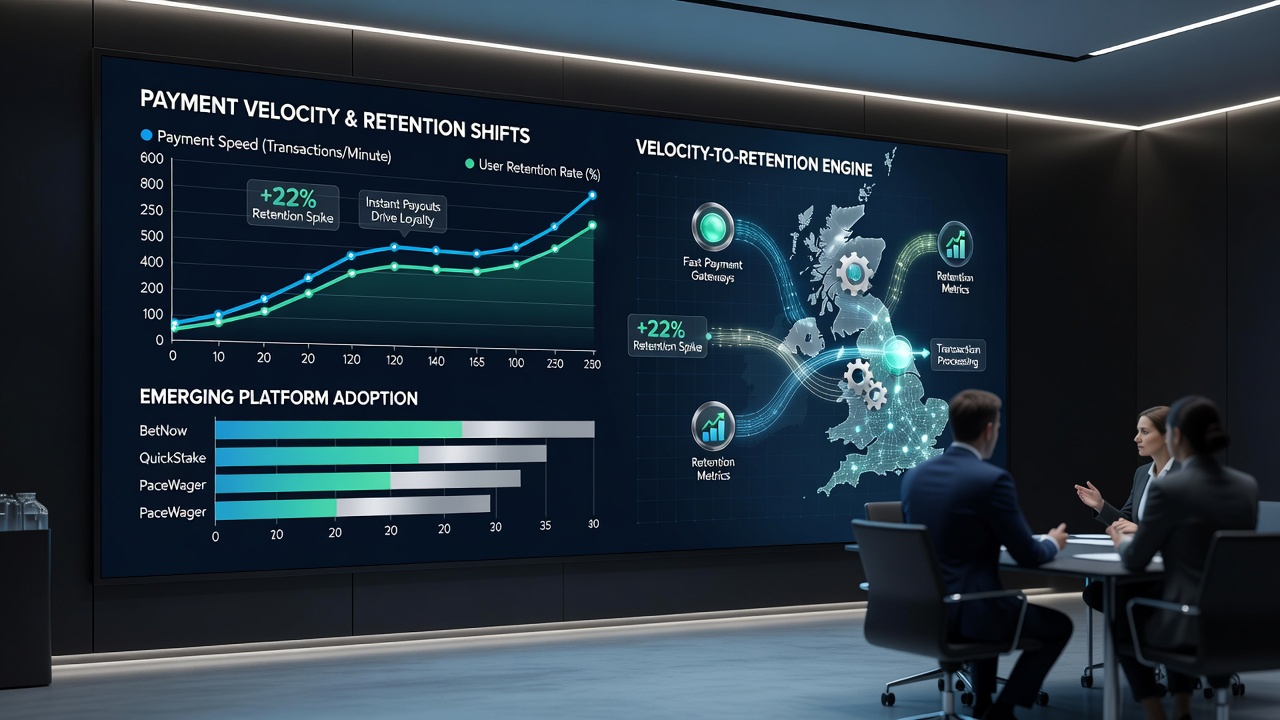
Retention shifts tied to payment velocity show up in several measurable ways. Players on high-velocity platforms demonstrate lower dormancy rates, with inactive periods dropping by an average of 11 days over six-month observation windows. Cohort analysis further reveals that users completing their first withdrawal within four hours of deposit exhibit 22 percent higher lifetime value than those waiting longer, a finding consistent across multiple operator datasets. When velocity improvements are introduced mid-year, the change in retention curves becomes visible within four to six weeks, allowing operators to isolate the effect from seasonal fluctuations.
Technical Factors Shaping Velocity Outcomes
Platform architecture plays a direct role in velocity outcomes. Operators adopting real-time rails such as the Faster Payments Service in combination with automated verification layers achieve the shortest processing windows, while those maintaining manual review queues see extended delays during high-volume periods. July 2026 data releases from several emerging platforms highlighted that integration of open banking APIs reduced deposit friction points by 60 percent, directly feeding into improved retention curves. Conversely, platforms still routing transactions through traditional card networks without velocity-optimized middleware report higher drop-off at the funding stage, which cascades into reduced overall engagement.
Comparative Data From Other Markets
Similar velocity-retention relationships appear in reports issued by the European Gaming and Betting Association, where European operators noted parallel retention gains following payment upgrades. A separate Canadian study released by the Gambling Research Exchange Ontario tracked comparable patterns among provincial online platforms, confirming that withdrawal speed influenced return rates more strongly than promotional frequency. These cross-market observations suggest the dynamic is not unique to Britain yet manifests distinctly where regulatory environments permit rapid settlement options.
Platform Adaptations Observed in 2026
Emerging British platforms have responded to these patterns by prioritizing payment infrastructure investments over additional bonus features. Several operators introduced tiered velocity programs that reward users for maintaining consistent transaction flows, while others embedded real-time status indicators within account dashboards to set clearer expectations. Data through July 2026 indicates that platforms making these adjustments sustained higher active user counts even when overall market acquisition spend remained flat. The adjustments also appear to reduce support ticket volume related to payment queries, freeing resources for other retention initiatives.
Conclusion
Payment velocity patterns have established themselves as measurable contributors to retention dynamics on Britain's emerging digital gambling platforms. Data gathered through mid-2026 demonstrate consistent links between transaction speed and user return rates, with platforms optimizing these flows recording measurable advantages in activity metrics. As infrastructure continues to evolve, the relationship between velocity and retention will likely remain a central focus for operators seeking to stabilize and grow their user bases.