Payment Technologies Reshaping Access in Britain's Online Gaming Sector
Written by Sam Werner · Jun 27, 2026
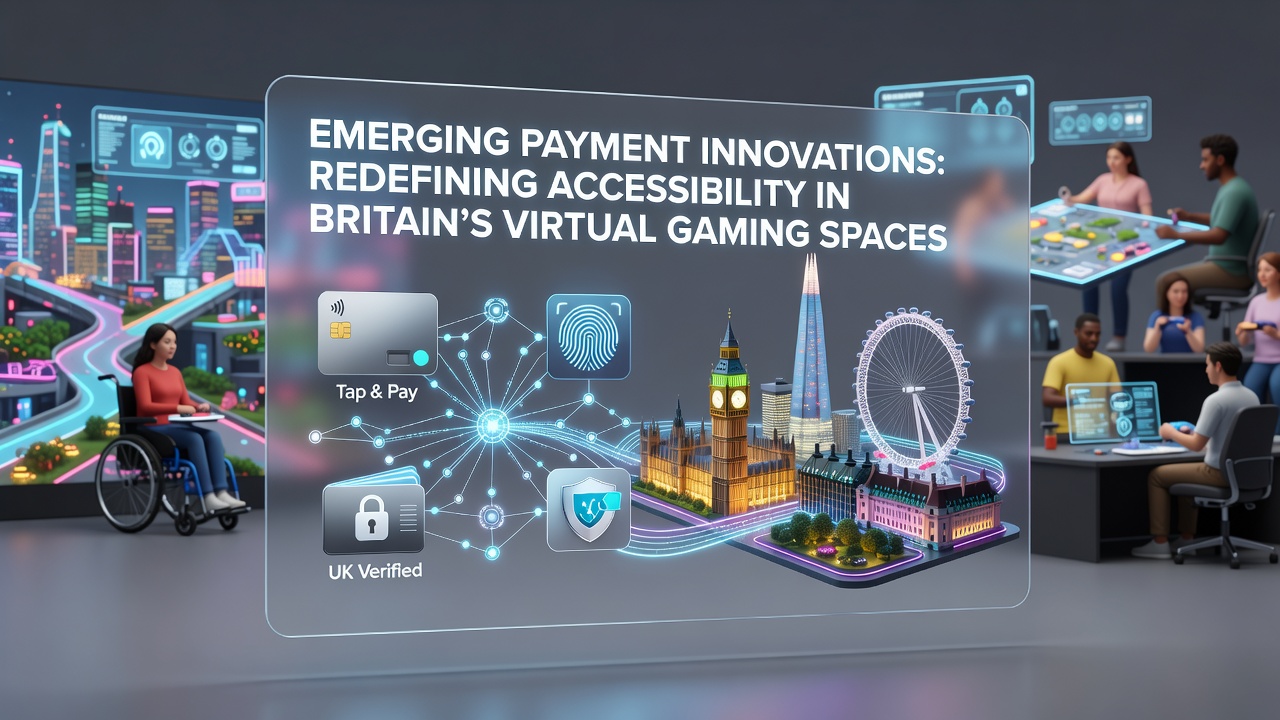
Payment Technologies Reshaping Access in Britain's Online Gaming Sector
Britain's virtual gaming environments continue to evolve as new payment methods integrate with existing platforms, and observers note that these changes affect how participants enter and interact with online spaces. Data from industry reports indicates that innovations such as open banking transfers, biometric authentication systems, and distributed ledger technologies have expanded options beyond traditional card processing since the early 2020s.
Core Innovations Driving Change
Financial institutions and technology providers have introduced systems that process transactions through real-time bank connections rather than intermediary processors, which reduces delays for users in remote regions where banking infrastructure remains limited. Researchers at the Bank for International Settlements have documented how these real-time rails support smaller transaction sizes, allowing broader participation without requiring minimum balance thresholds common in older methods.
Biometric verification, including fingerprint and facial recognition tied to mobile devices, has replaced multiple password layers in many applications, and experts from academic studies observe that this approach lowers barriers for individuals managing mobility or visual impairments. One analysis from a European university research group found that platforms adopting these features reported higher completion rates for initial account setups among diverse user groups.
Accessibility Gains Across Regions
Geographic disparities in banking access have narrowed in certain areas because instant settlement options bypass the need for physical branches or delayed clearing processes. Figures from payment network statistics reveal that rural participants now complete deposits in seconds rather than waiting for business-day confirmations, which aligns with patterns noted in comparable markets across Canada and Australia.
Security enhancements through tokenization and encryption protocols further support users concerned about data exposure, while those who've examined transaction logs note fewer interruptions from declined payments due to regional card restrictions. In June 2026, aggregated platform metrics showed continued growth in active accounts from areas previously underrepresented in digital gaming participation.

Integration With Regulatory Frameworks
European regulatory bodies outside the UK have issued guidelines encouraging standardized application programming interfaces for payments, and these standards have influenced British platforms seeking cross-border compatibility. Industry associations report that such alignment simplifies compliance while maintaining transaction transparency required under anti-money laundering rules.
Take one case where operators implemented distributed ledger tracking for audit trails, which allowed faster verification of fund sources without manual reviews that previously extended onboarding times. Data shows these adjustments coincided with increased account activations among users who previously encountered verification bottlenecks.
Broader Economic Indicators
Payment volume statistics compiled by international organizations indicate steady rises in micro-transactions across virtual environments, reflecting easier entry points for casual participants. What's interesting is how these patterns mirror developments tracked in US and EU financial inclusion reports, where similar technologies correlate with expanded user bases from varied income segments.
Observers point to reduced reliance on cash-based top-ups as digital alternatives become default options, and this shift has streamlined operations for service providers handling high volumes of small-value exchanges. Research indicates that platforms incorporating multiple payment rails experience fewer session abandonments tied to funding issues.
Conclusion
Emerging payment systems continue to influence participation rates in Britain's virtual gaming spaces through faster processing, enhanced verification, and wider geographic reach. Evidence from multiple data sources demonstrates measurable changes in account creation and transaction frequency, while ongoing developments in authentication and settlement technologies suggest further adjustments ahead. Those monitoring these trends note sustained integration across platforms as adoption expands.