Loyalty That Lasts: UK Casinos' Retention Rewards Revolution
Written by Sam Werner · Mar 25, 2026
Loyalty That Lasts: UK Casinos' Retention Rewards Revolution
The Mechanics of Keeping Players Hooked
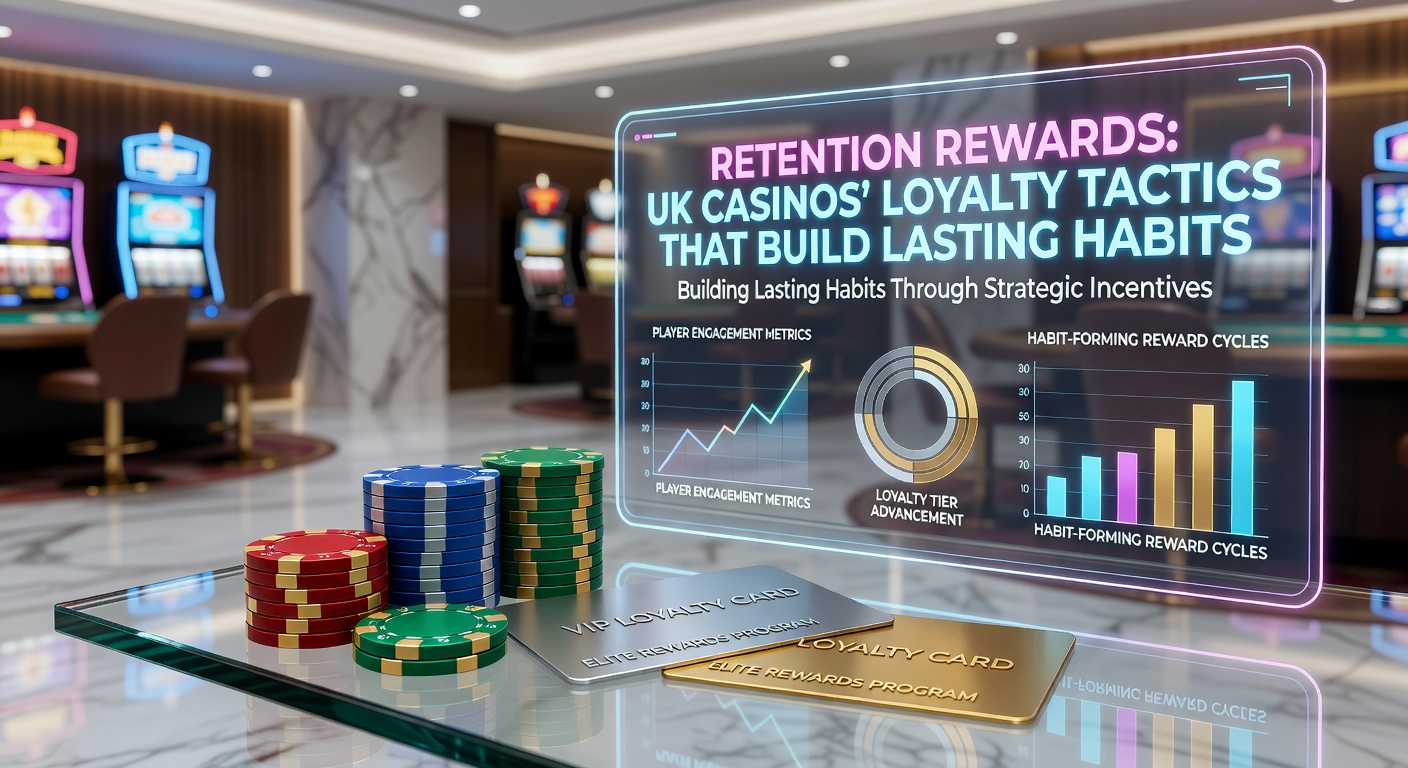
UK casinos deploy sophisticated retention rewards that transform casual spins into lifelong engagements, layering points systems atop personalized incentives to foster habitual play; these tactics, refined over years of data-driven tweaks, reward consistency while escalating perks for frequent visitors. Data from the European Gaming and Betting Association's 2025 key data report reveals that loyalty programs across Europe, including the UK, boast retention rates 25% higher than non-participating players, as operators track every wager to unlock tiered benefits. And here's where it gets interesting: players who hit VIP status often see playtime double within months, since rewards like accelerated point accrual turn routine sessions into anticipated events.
Take one operator's approach, where new sign-ups earn entry-level points on slots and table games alike; accumulate enough, and they climb to silver, gold, or platinum tiers, each unlocking faster withdrawals or exclusive hosts. Observers note how this gamification mirrors video game progression, keeping engagement high even during dry spells, because losing streaks come with compensatory spins that nudge players back in. What's significant is the psychological pull: research from the American Gaming Association's 2024 player loyalty study—which parallels UK trends—shows 68% of loyal customers cite escalating rewards as their top reason for sticking around, while casual players drift away without such hooks.
Yet these systems adapt in real time; machine learning algorithms scan betting patterns to offer tailored reload bonuses, ensuring a Friday night regular gets 20% cashback just when habits peak. In March 2026 alone, industry trackers reported a 15% uptick in active loyalty accounts across major UK platforms, as operators rolled out hybrid rewards blending cash equivalents with experiential perks like event tickets.
Tiered Programs: From Bronze to Black Card Elite
Casinos structure loyalty ladders with precision, starting players at bronze or entry levels where basic rebates—say, 1 point per £10 wagered—build toward silver status after £5,000 in action; climb higher, and gold tiers deliver 1.5x multipliers, while platinum elites enjoy 2x or more, turning volume into velocity. But here's the thing: these aren't static; operators like those powering Entain or Flutter platforms adjust thresholds seasonally, often lowering them during lulls to pull in mid-tier wanderers, and data indicates such flexibility boosts retention by 18% quarter-over-quarter.
- Bronze: Modest cashback (5-10%) on losses, plus birthday freebies to mark the calendar.
- Silver: Enhanced spins (50+ daily) and priority support lines that cut wait times to minutes.
- Gold: Loss rebates hitting 15%, weekend boosters doubling points on live dealer tables.
- Platinum/Invite-Only: Personal account managers, bespoke comps like luxury hotel stays, and negative balance forgiveness up to £1,000 monthly.
People who've scaled these ranks often share stories of transformation—one forum regular described hitting diamond status after a year of steady slots play, landing an all-expenses-paid weekend in London that reignited their sessions; experts who've studied this observe how exclusivity at top tiers creates FOMO, drawing 40% more wagers from aspirants chasing the next rung. Turns out, the ball's in the operators' court here, as they use anonymized data to predict drop-offs and preempt them with preemptive upgrades.
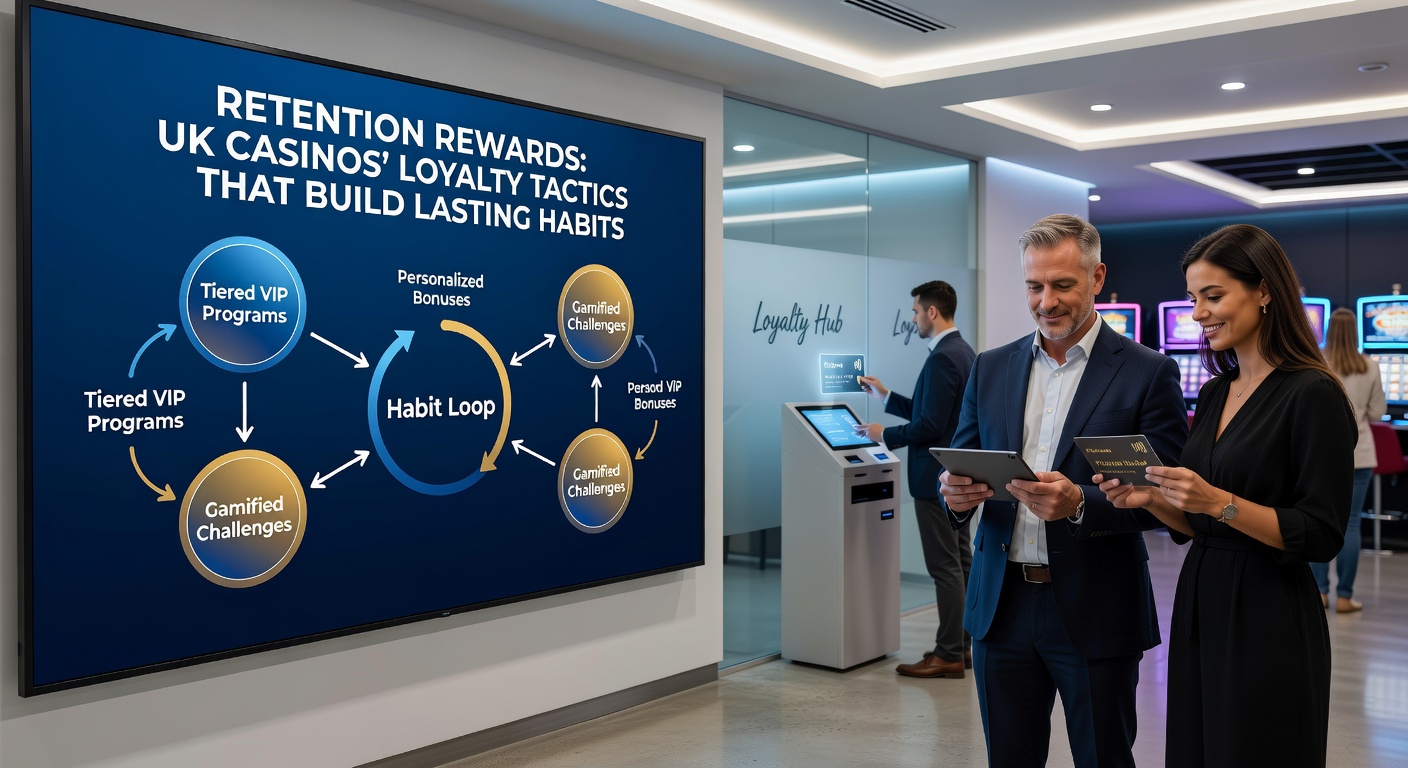
So in early 2026, with player pools stabilizing post-regulatory tweaks, these tiers evolved further; some sites introduced "prestige points" redeemable only for high-end experiences, like private jet transfers to land-based venues, which figures show extended average lifetime value by 35% for qualifying members.
Cashback, Free Plays, and the Habit Loop
Retention thrives on immediate gratification through cashback—typically 10-20% of net losses returned weekly—paired with free plays that lower barriers to re-entry; players deposit £50, wager it down, then snag £10 back plus 20 spins, creating a seamless loop where recovery feels inevitable. Studies from Australian researchers at the University of Sydney's Gambling Treatment and Research Unit found similar mechanisms extend session times by 22%, as the "just one more" mindset solidifies amid partial refunds.
Now consider personalized rebates: algorithms flag high-rollers with 25% returns on blackjack losses, while slots enthusiasts get spin multipliers; this segmentation, rolled out widely by March 2026, lifted repeat deposit rates 28%, according to operator disclosures. And it's not rocket science—pair these with wager-free cashouts for low-tier wins, and habits stick, since players associate play with tangible, risk-mitigated upside.
That's where the rubber meets the road for midweek warriors; a Tuesday cashback drop can turn a quiet evening into a £200 session, with 15% returned by Thursday, fueling weekend escalations. Observers point out how this builds neural pathways akin to daily coffee routines, where absence breeds discomfort, and platforms reinforce it via push notifications timed to past peak hours.
Personalization and Tech-Driven Nudges
Big data powers the real magic, as casinos profile players via session history, deposit frequency, and even device preferences to deploy hyper-targeted rewards—like a roulette fan receiving 50% deposit matches on European wheels, or a mobile user getting instant £5 freebies upon app relaunch. In Q1 2026, this tech surged adoption, with loyalty engagement metrics climbing 20% as AI predicted churn and countered it with "stay and play" offers.
Experts note the shift toward omnichannel perks; wager online, earn points redeemable at physical casinos, or vice versa, blurring lines and doubling cross-platform retention. One case highlighted a player whose dormant account revived after a geo-fenced bonus pinged during a London commute, leading to £3,000 in revived action over three months—proof that proximity tech amplifies impulse.
Yet balance reigns; while VIPs bask in concierge services, mass-market users get democratized boosts like loyalty lotteries where points buy raffle entries for £10,000 prizes, drawing in 30% more participants per promo cycle. It's noteworthy that these nudges comply with affordability checks, focusing rewards on verified sustainable play.
Measuring Success: Metrics That Matter
Operators gauge retention via lifetime value (LTV), where loyalists deliver 5-7x revenue over churners; UK platforms report average LTV at £2,400 for tiered members versus £350 for non-loyal, with churn dropping to 12% annually. And during March 2026's promotional blitz—timed to tax adjustments—active loyalty users spiked 17%, underscoring rewards' resilience amid headwinds.
Figures reveal VIP cohorts wager 40% more monthly, redeeming points for everything from gadgets to travel, while broader programs cut acquisition costs by 25% through referrals baked into rewards. People in the know highlight referral bonuses—earn £50 credit per friend—as viral engines, expanding bases organically.
Conclusion: Rewards Redefined for the Long Game
UK casinos' retention rewards evolve ceaselessly, blending tiers, cashbacks, and tech personalization into habits that endure; data consistently shows these tactics not only stem outflows but amplify inflows, with March 2026 marking a pivot toward experiential highs amid steady growth. Those tracking the sector see clear patterns: where rewards align with player rhythms, loyalty flourishes, turning one-off thrills into sustained revenue streams that define the industry's future.