Loyalty Rewards Reshape Player Engagement in Britain's Digital Gaming Apps
Written by Amir Coleman · Jul 30, 2026
Loyalty Rewards Reshape Player Engagement in Britain's Digital Gaming Apps
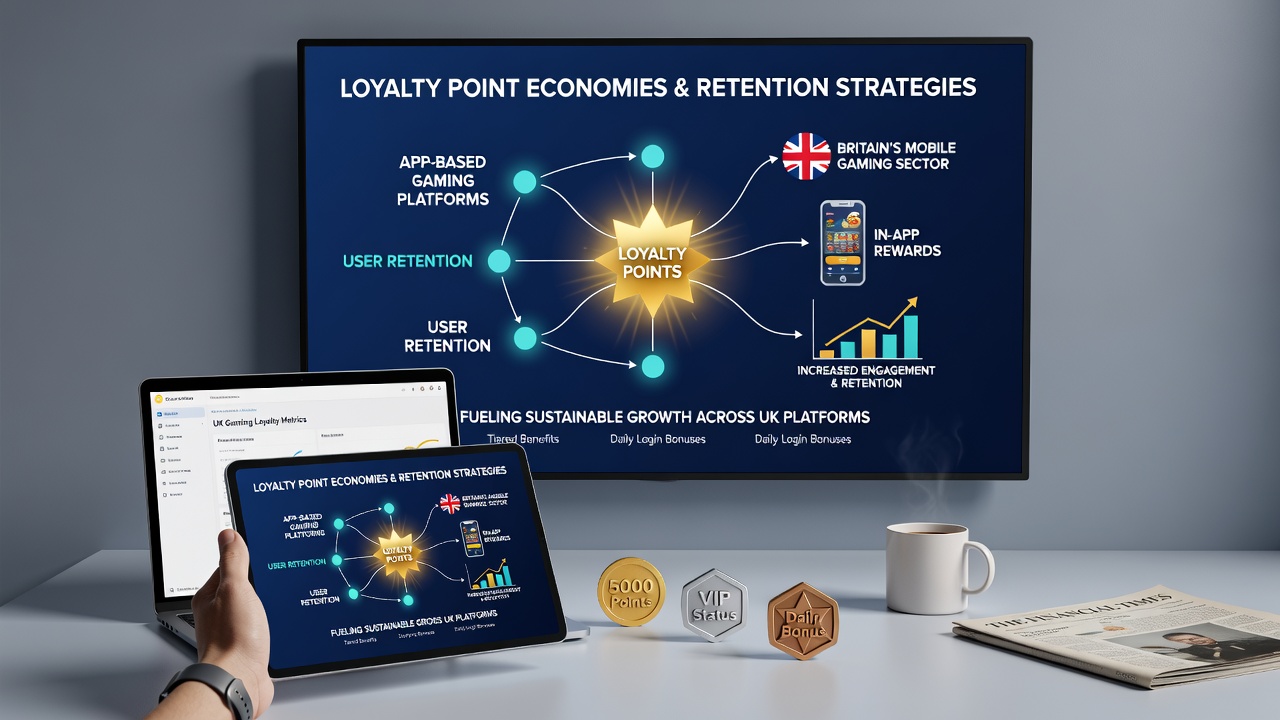
Britain's app-based gaming platforms have integrated loyalty point systems as core retention tools, and these mechanisms convert player activity into redeemable rewards that encourage repeated sessions. Data from industry analyses shows operators track metrics such as session frequency and deposit patterns to award points that unlock bonuses, cashback, and exclusive features.
Platforms adjust point accrual rates based on game type and wager volume, which creates tiered structures that reward higher engagement levels. Observers note these systems operate across slots, table games, and live dealer options, and they often tie into seasonal promotions that align with events like major sports tournaments.
Mechanics Behind Point Accumulation and Redemption
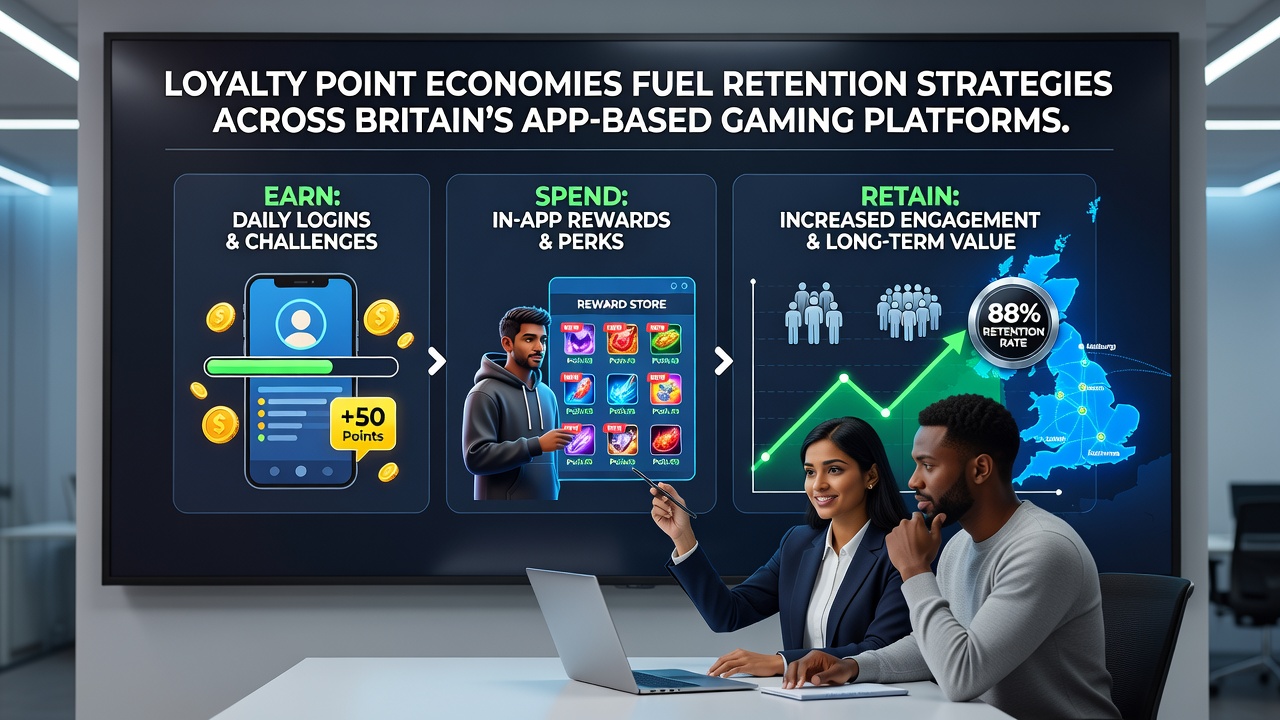
Players earn points through consistent play, deposits, and participation in challenges, while redemption options range from free spins to entry into prize draws. Research indicates that platforms set expiration periods on unused points to prompt regular activity, and this approach maintains momentum without requiring constant new user acquisition.
Integration with payment methods like PayPal and bank transfers allows seamless conversion of points into real value, and developers refine algorithms to balance generosity with profitability. In July 2026, several operators updated their dashboards to display projected point earnings in real time, which helps users plan their sessions more effectively.
Retention Outcomes Across Major Platforms
Figures from market reports reveal that platforms with robust loyalty frameworks report lower churn rates compared to those without, and this pattern holds across both established and emerging apps. Retention strategies often combine points with personalized notifications that highlight nearing milestones, such as the next tier unlock or bonus threshold.
One study from the Australian Institute of Family Studies examined similar reward structures in digital entertainment and found that visible progress tracking correlates with extended user lifecycles. British platforms apply comparable logic by displaying leaderboards and streak counters that motivate continued participation.
Operators segment audiences by behavior patterns, and high-frequency players receive accelerated point multipliers while casual users gain access to introductory rewards. This differentiation allows companies to allocate resources toward segments that deliver the strongest long-term returns.
Industry Comparisons and Data Trends
Comparisons with markets in Canada highlight how British platforms emphasize mobile-first point systems, whereas other regions integrate loyalty more heavily into desktop experiences. The Canadian Gaming Association has documented parallel retention lifts when points link directly to exclusive content and events.
What's interesting is that platforms now experiment with hybrid models that blend points with social features, such as sharing achievements or competing in community challenges. These additions extend engagement beyond individual play sessions and foster a sense of belonging among users.
Revenue data indicates that loyalty-driven retention contributes to steady growth in average revenue per user, and operators monitor these metrics closely to refine point values and reward tiers. Adjustments occur quarterly to respond to shifts in player preferences and regulatory updates.
Future Developments in Point-Based Strategies
Developers continue to test AI-driven personalization that predicts optimal point offers for individual profiles, and early implementations show improved conversion from points to active play. Partnerships with external brands allow points to redeem for non-gaming perks like merchandise or event tickets, which broadens appeal.
Analysts expect further integration with emerging technologies such as augmented reality interfaces that visualize point progress in immersive ways. These enhancements aim to sustain interest amid increasing competition from new entrants in the British market.
Conclusion
Loyalty point economies have become embedded in Britain's app-based gaming landscape, and they function through structured accumulation, tiered benefits, and data-informed adjustments. Platforms that refine these systems continue to demonstrate measurable improvements in user retention, and ongoing innovations suggest the approach will evolve alongside player expectations and technological capabilities.