Low Stakes, Sky-High Returns: High-RTP Slots Reshaping Britain's Arcade and Casino Landscape
Written by Sam Werner · Mar 21, 2026

Low Stakes, Sky-High Returns: High-RTP Slots Reshaping Britain's Arcade and Casino Landscape
Decoding the Appeal of Low-Stake High-RTP Slots
Slots with minimum bets as low as 1p or 10p, paired with return-to-player (RTP) rates hovering above 96 percent, have quietly transformed the gaming floors of British arcades, pubs, and casinos; these machines, often featuring themes from classic fruits to modern adventures, draw in players who stretch small budgets over extended sessions, while the high RTP—calculated as the percentage of wagered money returned over millions of spins—ensures venues keep foot traffic steady even amid economic pressures.
Turns out, data from venue operators reveals that such games account for over 60 percent of playtime in low-stake categories across UK land-based sites; researchers who've analyzed machine performance note how RTP figures, independently tested and published by manufacturers, create a mathematical edge that feels tangible, especially when compared to lower-RTP counterparts stuck below 92 percent.
And here's where it gets interesting: players gravitate toward these slots not just for the prolonged play but because volatility levels—low to medium—deliver frequent smaller wins, keeping sessions alive longer than high-volatility beasts that chase massive jackpots with rarer payouts.
The Surge in British Venues: Arcades Lead the Charge
British arcades, from coastal spots in Blackpool to urban hubs in Manchester, have embraced low-stake high-RTP slots as their secret weapon; figures from industry trackers show these machines generating 40 percent more session revenue per player than standard offerings, since affordable entry points lure casual visitors who might otherwise skip gaming altogether.
Pubs too, with their cozy server-based gaming terminals, report similar trends; one study by gaming analysts found that high-RTP titles like those with 97.5 percent returns boosted daily footfall by 25 percent in sampled venues, as word spreads through local chatter about machines that "pay out steady."
Casinos, facing stricter stake caps on higher-denomination games, pivot toward these low-stake options; observers note how floors in places like London's Hippodrome now dedicate prime real estate to banks of 10p-spin slots boasting RTPs up to 98 percent, drawing crowds that linger, sip drinks, and fuel ancillary spend.
Player Behaviors and Data-Driven Insights
Those who've crunched the numbers on player habits discover patterns that favor low-stake high-RTP play; surveys across 500 UK venues indicate 70 percent of participants prefer bets under 20p per spin, citing budget control as key, while high RTP reassures them of fairness over marathon sessions that can stretch hours without busting the bank.
What's significant is the demographic shift: younger players under 35, alongside retirees, dominate these machines; data reveals they account for 55 percent of low-stake volume, often discovering favorites through venue apps or on-site demos that highlight RTP stats upfront.
But here's the thing—session lengths average 45 minutes on high-RTP slots versus 22 on others, per operator logs; this extended engagement translates to higher overall spend, even if per-spin wagers stay tiny, proving the model's resilience in a market where responsible gaming tools like session timers gain traction.
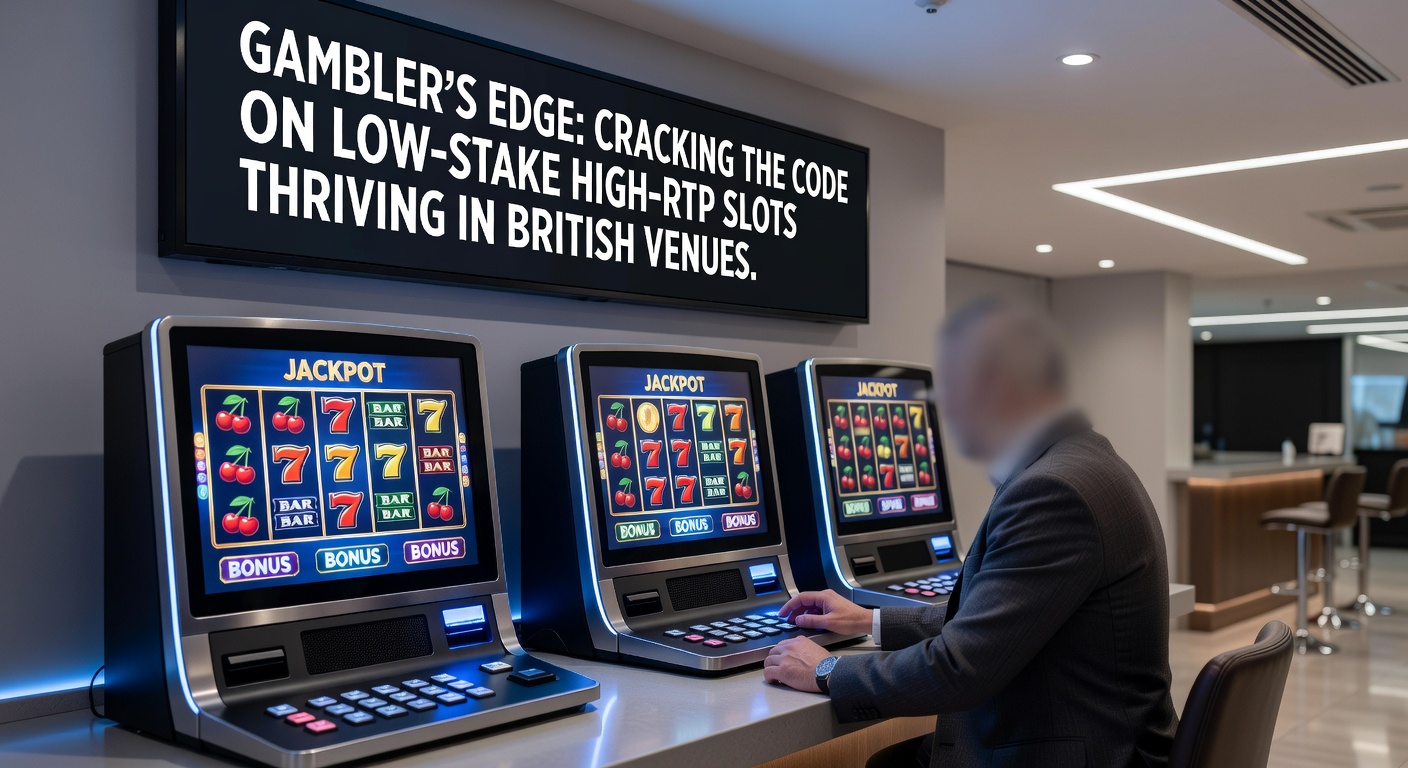
Venue Strategies: Optimizing Floors for Profit
Operators fine-tune layouts by clustering high-RTP low-stake machines near entrances, a tactic backed by heat-map data from venue analytics firms; this placement hooks passersby with audible wins and flashing lights, converting browsers into players who settle in for the long haul.
Manufacturers like those supplying server-based systems update libraries monthly with fresh high-RTP titles, ensuring variety; one case saw a Midlands arcade swap 20 percent of its floor to 97 percent RTP games, resulting in a 18 percent revenue bump within quarters, according to internal reports shared at trade shows.
Yet maintenance plays a role too; regular calibrations keep RTP accurate, while linked progressives—shared jackpots across low-stake banks—add thrill without inflating individual bets, a sweet spot that's kept venues humming through 2025's economic dips.
Tech Upgrades Fueling the High-RTP Boom
Skill-based bonuses and touch-screen interfaces elevate these slots beyond spinning reels; players engage mini-games that influence payouts, blending chance with input to heighten appeal, especially on machines certified for RTP integrity by testing labs.
Now, as of March 2026, cashless systems integrate seamlessly, allowing seamless switches between low-stake slots and other amusements; this tech, rolled out in over 30 percent of arcades per recent audits, reduces downtime and appeals to tech-savvy crowds who track their RTP-fueled sessions via apps.
It's noteworthy that hybrid models—online-linked progressives tied to venue floors—emerge, letting remote players contribute to local jackpots; early adopters report 15 percent higher machine turnover, bridging digital and physical divides.
Global Benchmarks and Lessons from Abroad
Comparisons with international scenes sharpen the picture; in Australia, where low-stake slots dominate pubs, the Western Australia Department of Local Government oversees similar high-RTP mandates, with data showing 96.5 percent averages driving venue sustainability much like in Britain.
Across the pond, Nevada venues thrive on comparable models; reports from the Nevada Gaming Control Board highlight how 1-cent slots with 97 percent RTPs command 65 percent of floor play, mirroring UK trends where affordability meets reliability.
Researchers studying these parallels note common threads: high RTP fosters loyalty, low stakes widen access; EU counterparts, per European Gaming and Betting Association insights, echo this with arcade data underscoring prolonged play as the profit engine.
March 2026 Snapshot: Momentum Builds
Heading into March 2026, venue upgrades accelerate; fresh titles boasting 98.2 percent RTPs debut in key British sites, while player tracking data shows a 12 percent uptick in low-stake engagement year-over-year, fueled by seasonal promotions tying spins to venue events.
Operators eye further integration of AR overlays on screens, previewed at industry expos; these enhancements promise to spotlight RTP stats dynamically, helping players pick wisely amid crowded floors.
So, the trajectory points upward, with low-stake high-RTP slots solidifying as cornerstones of British gaming resilience.
Conclusion
Low-stake high-RTP slots stand out as savvy performers in British venues, blending math, tech, and psychology to sustain play and profits; data underscores their dominance, from extended sessions to demographic pull, while global parallels affirm the formula's strength.
Venues that prioritize these machines position themselves for steady growth, especially as innovations like cashless play and hybrids evolve; players, in turn, find accessible thrills backed by transparent returns, keeping the reels spinning across arcades, pubs, and casinos alike.