Interface Modifications on Mobile Devices Are Altering How British Users Access Initial Rewards via Electronic Transaction Routes
Written by Amir Coleman · Aug 22, 2026
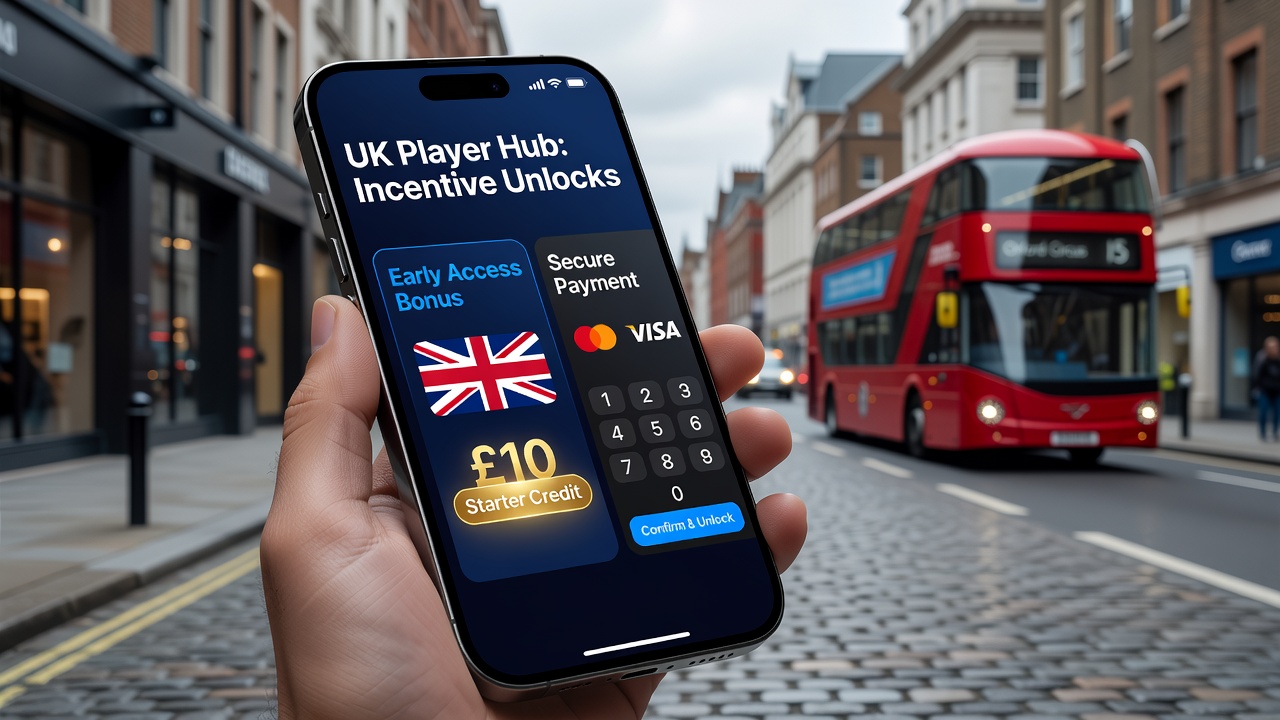
Interface Modifications on Mobile Devices Are Altering How British Users Access Initial Rewards via Electronic Transaction Routes
Developers have refined navigation flows and verification steps in smartphone applications, which allows British users to link digital payment services and activate early incentives with fewer taps and reduced loading times. These adjustments emerged from iterative testing cycles that tracked user drop-off points during onboarding sequences, and data from industry reports indicate shorter completion rates for initial reward claims when interfaces incorporate predictive text fields alongside biometric confirmation options.
Key Design Elements Driving the Shifts
One-tap wallet integrations now sit prominently on home screens in many applications, while contextual pop-ups guide users through payment method selection without requiring full menu navigation. Researchers at academic institutions have documented how gesture-based shortcuts, such as long-press actions on account icons, connect directly to approved transaction pathways, and this reduces friction that previously delayed reward unlocks. In August 2026 several platforms introduced adaptive layouts that adjust button sizes based on device screen dimensions, which further supports users operating on varied hardware configurations common across the UK market.
Colour-coded status indicators appear alongside payment confirmations to signal when early-stage incentives become available, and observers note these visual cues help maintain engagement during multi-step processes. Studies conducted by European research bodies reveal that such elements correlate with higher retention in the first session, particularly when combined with progress bars that display remaining actions needed for reward activation.
Payment Pathway Optimisations and User Patterns
Applications have incorporated instant verification protocols that cross-reference device-stored credentials with external payment processors, cutting down manual entry requirements. According to figures from an Australian government gaming review, similar interface refinements led to measurable increases in successful first-time transactions across comparable markets. British users benefit from these changes because they encounter fewer interruptions when switching between banking apps and the primary platform during incentive setup.
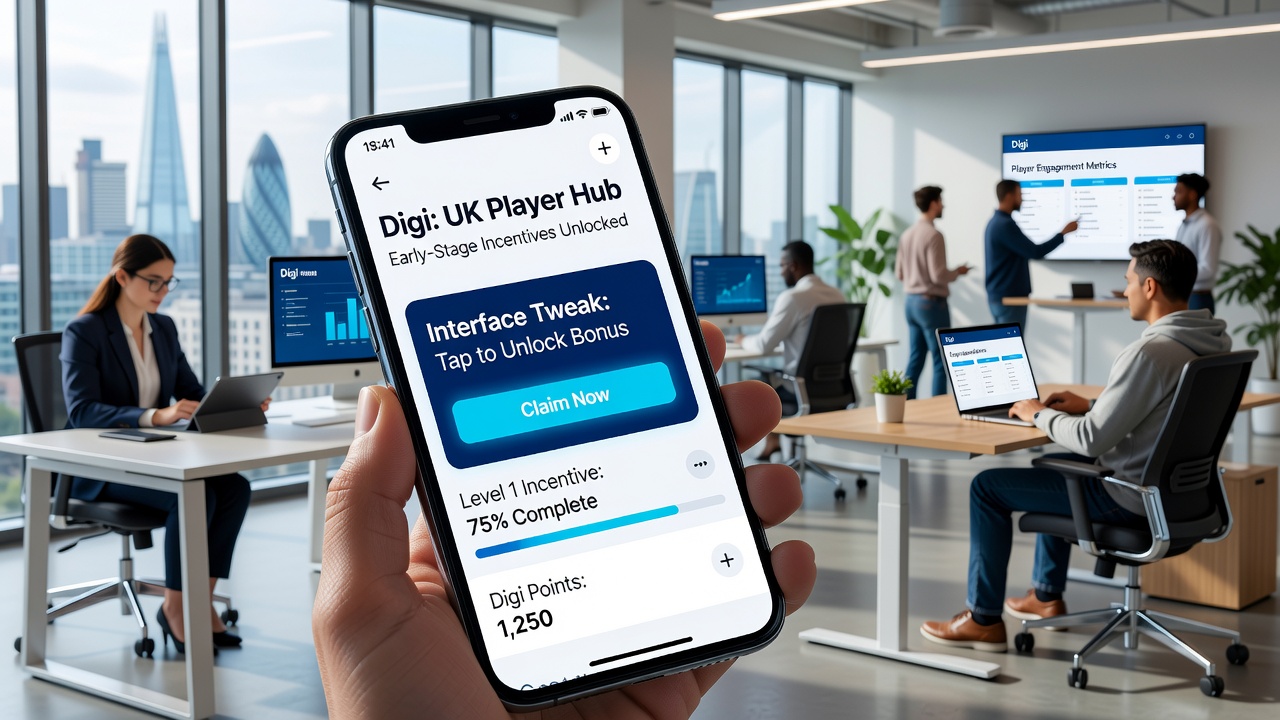
Push notification systems now trigger immediately after payment authorisation completes, directing attention back to the incentive section without manual searches. Those who have examined usage logs report that users who receive these timed alerts complete subsequent steps at higher rates than those navigating independently. What's interesting is how dark mode compatibility and font scaling options have been expanded to accommodate different lighting conditions and accessibility needs, ensuring broader participation across demographic groups.
Regional Comparisons and Supporting Data
North American trade associations have published analyses showing parallel trends where streamlined mobile interfaces accelerated adoption of digital wallets for reward-related activities. Canadian provincial reports similarly highlight that applications adopting unified payment dashboards experienced fewer abandoned sessions during early user stages. Observers tracking UK patterns note alignment with these international findings, although local preferences lean toward specific authentication methods tied to national banking standards.
Academic papers from institutions in multiple jurisdictions underscore the role of A/B testing in refining these tweaks, with results indicating that personalised shortcut placements outperform generic layouts. Data shows users complete payment-to-incentive sequences faster when applications remember prior selections and pre-fill relevant fields on return visits.
Conclusion
Smartphone interface adjustments continue to evolve in response to user behaviour data and technological capabilities, reshaping access routes to initial incentives through digital payments for British participants. These modifications focus on reducing steps, enhancing visual clarity, and integrating verification tools that align with existing device features. As platforms roll out further refinements, patterns observed in August 2026 suggest sustained emphasis on seamless connectivity between payment systems and reward mechanisms across the sector.