Identity Verification Reshapes Promotional Access in Mobile Entertainment Ecosystems
Written by Riley Zimmermann · Aug 1, 2026
Identity Verification Reshapes Promotional Access in Mobile Entertainment Ecosystems
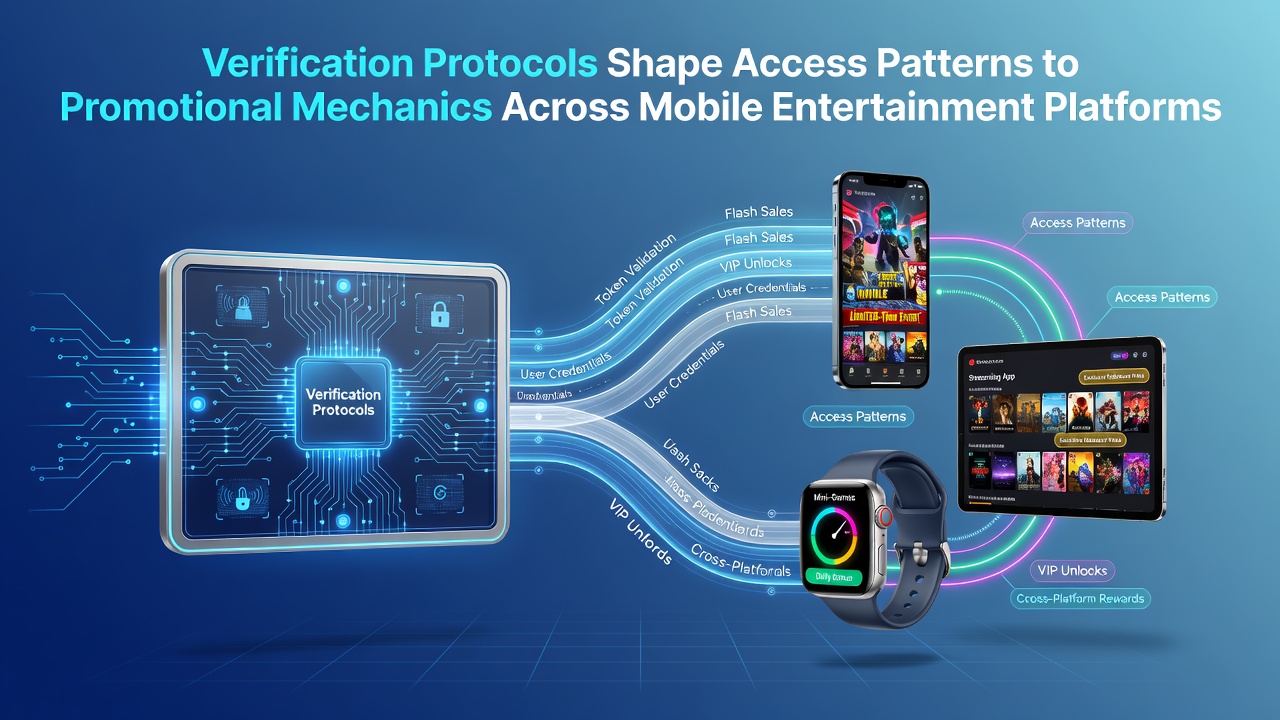
Verification protocols have become central gatekeepers in mobile entertainment platforms, where they directly control how users reach promotional mechanics such as bonus unlocks, loyalty rewards, and limited-time incentives. These systems require users to complete identity checks before accessing features, and the process creates distinct patterns in engagement and redemption rates across different regions and device types.
Core Components of Modern Verification Systems
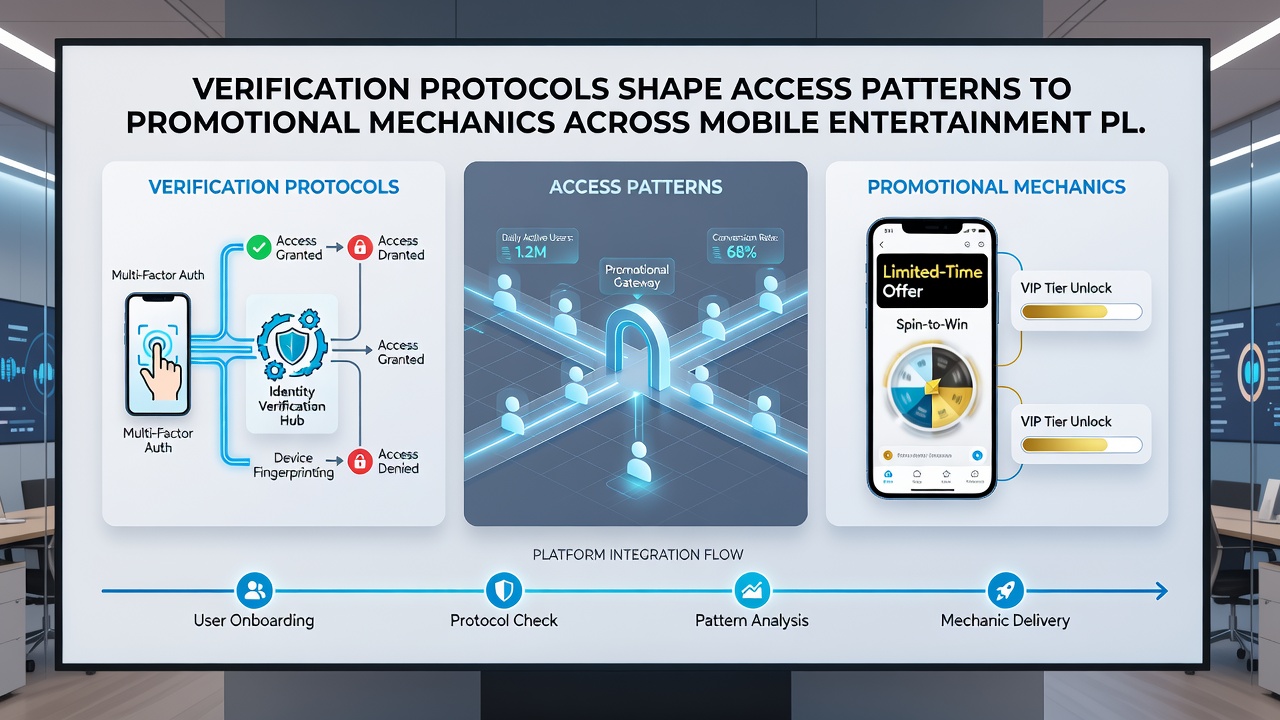
Platforms rely on layered authentication that combines document uploads, biometric scans, and real-time database cross-checks, while each layer adds friction that filters certain user segments. Research from the International Telecommunication Union indicates that biometric options reduce completion time by 40 percent compared with manual document review, yet they also raise device compatibility issues on older hardware. Those who study mobile user behavior note that platforms in North America and Europe often integrate with national identity databases, whereas operators in Asia-Pacific markets lean more heavily on third-party credit bureaus and telecom records.
Access Patterns Emerge from Protocol Design
Data from platform analytics firms shows that users who complete verification within the first session are 3.2 times more likely to activate promotional mechanics than those who delay the process. The pattern holds across both casual gaming titles and subscription-based entertainment services, and it appears because early verification unlocks immediate reward pathways that encourage continued interaction. In August 2026 several major app stores updated their developer guidelines to require clearer disclosure of verification timelines, which has prompted operators to streamline multi-factor flows and reduce drop-off points.
Geographic differences further shape these patterns. Canadian provincial regulators require address verification tied to tax records for certain reward redemptions, while Australian authorities emphasize age-verification logs that integrate with state gaming databases. Observers note that platforms serving multiple jurisdictions must maintain separate verification pipelines, and this segmentation produces measurable variation in promotional uptake between user cohorts.
Industry Reports and Academic Findings
A 2025 study published by the University of Toronto's Centre for Digital Rights examined 12 entertainment platforms and found that verification stringency correlates with a 27 percent reduction in promotional claim rates among users aged 18-24. The same research documented that platforms using federated identity providers, such as those linked to government digital services in Estonia and Singapore, achieve higher completion rates because users already maintain verified profiles. Industry associations including the Mobile Marketing Association have published benchmarks showing that average verification abandonment sits at 22 percent when more than two identity factors are required in a single session.
Those who track platform metrics report that promotional mechanics tied to verified accounts also demonstrate higher long-term retention, because operators can link rewards to persistent user profiles rather than temporary device identifiers. This linkage supports targeted incentive distribution while complying with data-protection statutes across multiple jurisdictions.
Technical Integration and User Flow Adjustments
Developers now embed verification checkpoints at strategic moments, such as immediately after a user claims an initial reward or attempts to escalate to higher-tier promotions. The approach reduces unnecessary early friction while still satisfying regulatory mandates. Real-time API connections to credit bureaus and identity registries allow platforms to confirm details within seconds, and the speed of these connections has improved markedly since 2024 when several providers upgraded their infrastructure to handle peak-hour loads during major promotional events.
Cross-platform consistency remains a challenge because iOS and Android enforce different permission models for camera access and stored credentials, yet operators continue to refine adaptive interfaces that detect device capabilities and adjust verification prompts accordingly.
Conclusion
Verification protocols continue to define the boundaries of promotional access on mobile entertainment platforms, and the resulting patterns reflect both technical design choices and regional regulatory requirements. Ongoing updates to identity infrastructure and app-store policies suggest these systems will keep evolving, with operators balancing security demands against user convenience to maintain engagement levels across diverse markets.