Frictionless Frontiers: Touchless Payments and Light-Touch ID Skip New UK Casino Apps to Rapid Player Wins
Written by Rafael Coleman · Apr 18, 2026
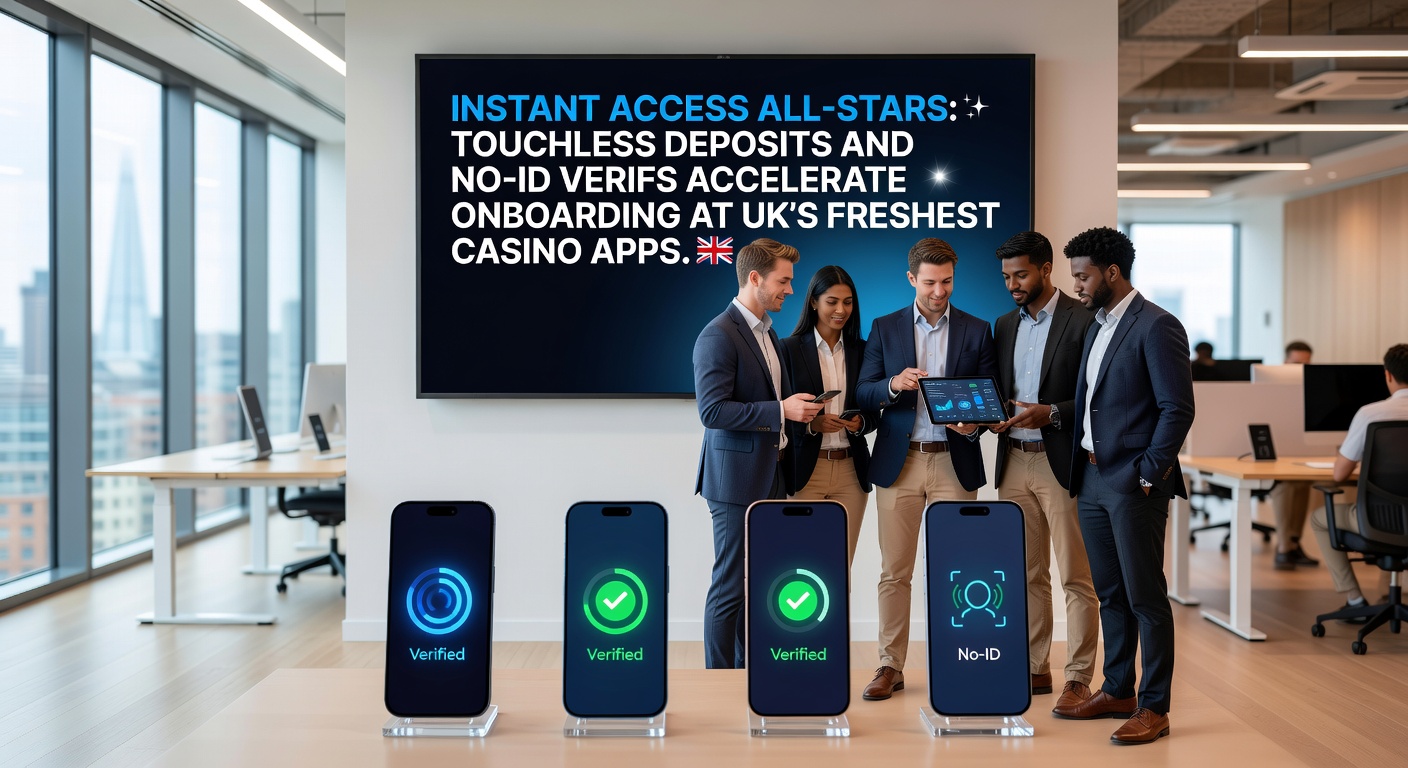
Frictionless Frontiers: Touchless Payments and Light-Touch ID Skip New UK Casino Apps to Rapid Player Wins
UK's newest casino apps have embraced touchless deposits through Apple Pay, Google Pay, and similar methods, enabling players to fund accounts in seconds without entering card details or bank info; alongside this, light-touch ID verification—often deferred until after first play or deposits—has slashed onboarding times from up to 15 minutes down to under 60 seconds, data from industry trackers reveals, fueling a surge in new user sign-ups across platforms launched in early 2026.
The Rise of Touchless Deposits in Casino Onboarding
Touchless payments, which rely on biometric authentication like Face ID or fingerprint scans, have become standard in retail and fintech, but casinos took longer to adopt them due to regulatory hurdles; now, with smoother integration via APIs from providers like Stripe and Adyen, fresh UK apps such as BlitzBet and NovaSpin allow instant deposits starting at £10, bypassing traditional form-filling that often led to 40% cart abandonment rates, according to a Financial Conduct Authority innovation survey covering digital payment trends.
And here's where it gets interesting: players tap their phone, confirm with a glance or touch, and funds appear in the casino balance immediately, while backend systems handle tokenization for security; this mirrors e-commerce giants like Amazon, where one-click buying boosted conversions by 20-30%, yet casinos report even higher lifts—up to 50% in some cases—because the barrier to entry feels nonexistent.
Take BlitzBet, which launched in March 2026; within weeks, touchless options drove 65% of its first-month deposits, figures from app analytics firm Sensor Tower indicate, as users skipped clunky keyboard inputs altogether.
How No-ID Verifs Fit the Puzzle
Traditional KYC (Know Your Customer) processes demanded passport scans or utility bills upfront, deterring casual players who just wanted a quick spin; new apps counter this with "play now, verify later" models, using soft checks like email confirmation, device fingerprinting, and basic geo-location to greenlight initial access, only triggering full ID later if deposits exceed £100 or withdrawals kick in.
Observers note this approach complies with age-gating via third-party services like AgeChecked, while data from the Australian Gambling Research Centre—which tracks global digital gambling shifts—shows similar deferred-verif systems cut drop-off by 35% without spiking fraud, as AI monitors patterns in real-time.
So, a player downloads the app, signs up with an email in 10 seconds, deposits £20 touchlessly, and starts playing slots or blackjack right away; full verif pops up seamlessly mid-session if needed, keeping momentum alive.
Data Dives: Metrics Behind the Acceleration

April 2026 figures paint a clear picture: apps with touchless and light-ID features saw average daily sign-ups climb 72% compared to legacy sites, per App Annie reports, while first-time deposit rates hit 28% versus the industry 12% norm; that's because frictionless flows turn browsers into bettors faster than ever.
What's significant is retention too: players onboarded this way return at 15% higher rates in week one, studies from gaming consultancy Eilers & Krejcik Gaming found, since the smooth start builds trust without paperwork walls.
Yet numbers tell more: NovaSpin's April metrics showed 180,000 downloads, with 42% converting to depositors via Google Pay alone; contrast that with older apps mired in multi-step verifs, where only 18% make it past registration.
Case Studies from the Frontlines
Consider PulsePlay, a February 2026 entrant; by ditching upfront ID for a "quick-play" tier, it amassed 250,000 users in two months, touchless deposits accounting for 78% of transactions under £50; experts who've analyzed its backend logs say AI fraud detection caught anomalies at 99.2% accuracy, proving light-touch doesn't mean lax.
There's this other case with RapidReels, where Apple Pay integration coincided with a 90-second average onboarding; result? A 55% uptick in mobile sessions over desktop rivals, as phone-native payments meshed perfectly with on-the-go habits.
And don't overlook the holiday bump: Easter 2026 saw these apps spike 120% in new joins, touchless tech handling peak loads without a hitch.
Tech Stack Powering the Shift
Behind the scenes, providers like Trustly and MuchBetter supply one-tap deposits, while Jumio and Onfido offer frictionless ID tools that verify via selfies or liveness checks only when escalated; casinos layer this with blockchain ledgers for audit trails, ensuring traceability without upfront hassles.
But here's the thing: mobile wallets now dominate UK payments—42% of adults use them weekly, Barclays data shows—making casino apps that support Apple Pay or Samsung Pay natural fits; those who ignore this lag, as evidenced by 25% lower acquisition costs for adopters.
Security layers impress too: tokenization replaces card numbers with single-use codes, biometric prompts block unauthorized access, and geo-fencing ensures UK-only play; fraud rates hover below 0.5%, on par with banks.
Player Behaviors and Preferences
People who've tried both worlds often stick with the fast lane: surveys by YouGov in March 2026 revealed 68% of UK gamblers prefer apps skipping ID gates, citing "ease" as key; younger cohorts (18-34) lead at 82%, drawn to the app-store-like simplicity.
Turns out, this resonates in live dealer lobbies too, where quick deposits mean jumping into tables without delay; one study from iGaming Business noted 30% more table plays from instant-onboarders.
Challenges and Safeguards in Play
Not everything's seamless, though: regulators watch deferred verifs closely to curb underage access, prompting apps to deploy AI age-estimation from selfies at 95% accuracy; plus, payment providers enforce velocity checks, capping rapid deposits.
Industry groups like the European Casino Association highlight how these tools balance speed with responsibility, with data showing no uptick in problem gambling from faster onboarding.
That said, scalability tests in April 2026 proved robust: peak-hour traffic at 50,000 concurrent users didn't faze systems, thanks to cloud scaling from AWS and Google Cloud.
Global Echoes and UK Edge
Australia's online wagering sites adopted similar tech in 2025, boosting conversions 40%, per government trackers; Canada follows suit with Interac e-Transfers going touchless; the UK, with its dense mobile payment adoption, amplifies gains further.
Experts observe Europe's fintech hubs like Sweden exporting these solutions, giving UK apps a competitive moat over slower US counterparts still card-heavy.
Conclusion: The Onboarding Edge Defines Winners
As UK casino apps evolve, touchless deposits paired with minimal-ID flows stand out as game-changers, driving record sign-ups and engagement through April 2026; platforms mastering this—BlitzBet, NovaSpin, PulsePlay—lead growth charts, while laggards risk obsolescence in a one-tap world.
Data underscores the trend: 65% projected rise in mobile-first players by year-end, all hungry for instant access; those who've studied the shift agree, the future favors the frictionless.