Decoding How Interactive Elements Shape Incentive Timing in Remote Gaming Environments
Written by Amir Coleman · Aug 24, 2026
Decoding How Interactive Elements Shape Incentive Timing in Remote Gaming Environments
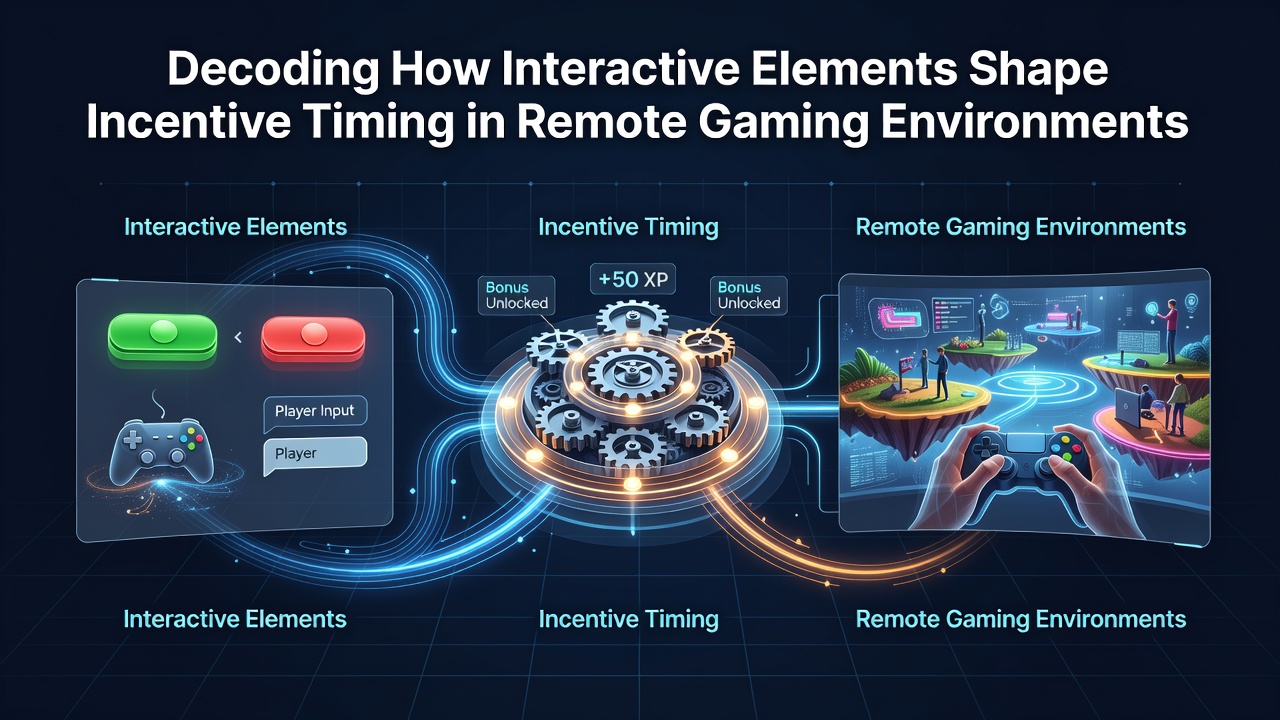
Remote gaming platforms rely on interactive elements such as clickable progress trackers, animated feedback loops, and real-time personalization engines to determine when incentives appear during play sessions, and research from academic institutions shows these mechanics directly influence reward delivery schedules across digital environments. Observers note that elements like hover-activated bonus alerts or gesture-based mini-games adjust timing based on user behavior patterns, which leads to more precise scheduling of offers compared to static systems used in earlier platform designs.
Core Mechanics Behind Interactive Timing Systems
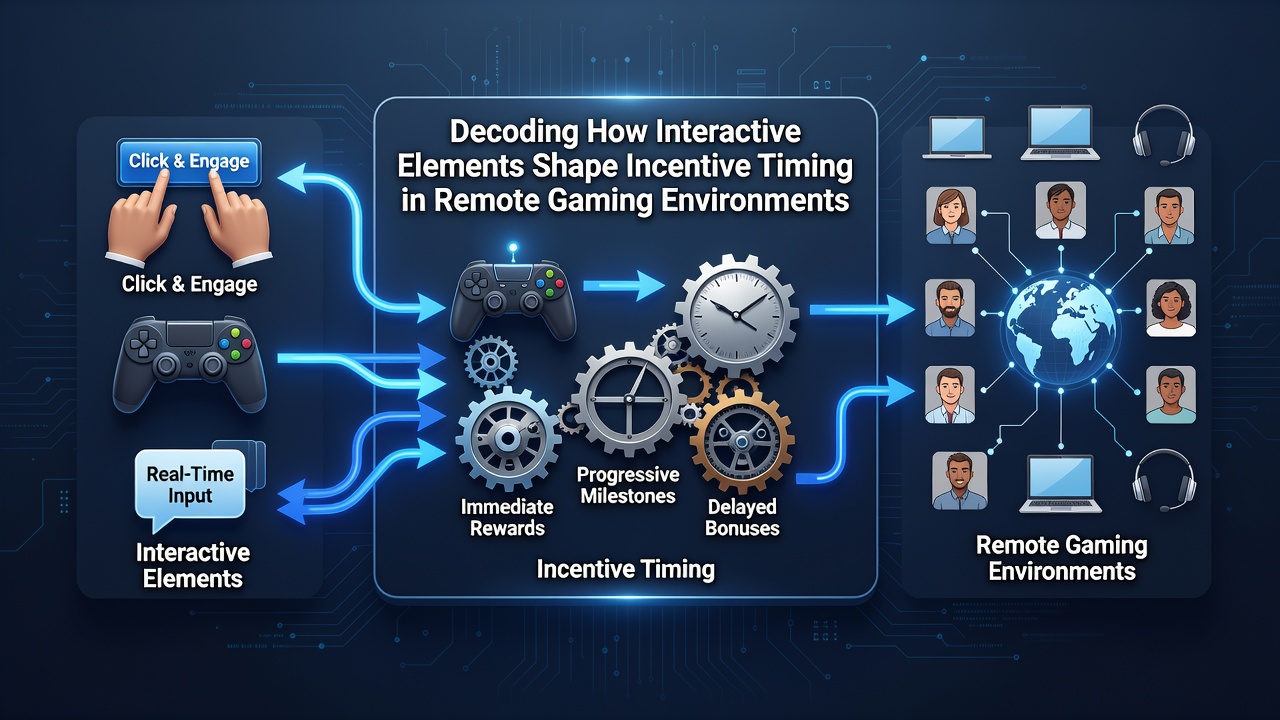
Developers integrate sensors that track clicks, session duration, and navigation paths, then feed this data into algorithms that trigger incentives at optimal moments, and studies conducted by university research teams reveal that such responsive designs can shift reward presentation windows by up to 40 percent in tested environments. Those who have examined platform architectures point out that a simple tap on a virtual wheel often unlocks time-sensitive multipliers because the system registers the interaction and immediately recalculates eligibility criteria without manual intervention.
Progress bars that fill based on consecutive actions serve as another layer, because they create visual cues that prompt users toward specific behaviors while the backend simultaneously logs the sequence for future incentive calibration. Data from industry reports released in August 2026 indicated that platforms employing these bars experienced measurable changes in reward cadence, with incentives arriving earlier in sessions when interaction frequency exceeded baseline thresholds.
Regional Regulatory Perspectives on Design Influence
Regulatory bodies outside the UK have examined how these interactive features intersect with incentive rules, and the Australian Communications and Media Authority has published guidelines that address timing transparency in digital gaming interfaces. The agency requires operators to disclose how user actions affect reward availability, which encourages clearer mapping between clicks and bonus triggers in remote settings. Meanwhile, the Nevada Gaming Control Board maintains oversight on similar mechanics for platforms accessible within its jurisdiction, focusing on audit trails that document every interaction-to-incentive pathway.
Academic sources add further context, as a paper hosted by the National Institutes of Health gaming behavior archive analyzed thousands of session logs and found that embedded chat functions or achievement pop-ups consistently altered the intervals between incentive offers. These findings align with observations from the Canadian Centre for Gaming Research, which documented parallel patterns in North American remote environments during comparative trials.
Case Examples from Platform Implementations
One operator integrated swipe-responsive card decks that unlocked layered rewards only after a set number of fluid gestures, and analysts recorded that this change moved average incentive timing closer to the start of each round rather than the middle. Another example involved adaptive sound cues that intensified with prolonged engagement, prompting the system to surface personalized multipliers sooner because the algorithm interpreted sustained interaction as higher retention likelihood.
Take the scenario where a researcher monitored a live platform update that introduced touch-sensitive loyalty meters, and the resulting data showed reward distribution shifting toward evening peak hours when users completed more micro-interactions during those windows. Such adjustments demonstrate how small design choices accumulate into larger timing frameworks without requiring separate scheduling tools.
Data Patterns Across Multiple Markets
Figures compiled by international gaming associations reveal that platforms with high levels of interactive layering tend to cluster incentives around detected peaks in user activity, and this clustering occurs consistently across tested regions in Europe, North America, and Asia-Pacific zones. The patterns emerge because each tap or scroll feeds into predictive models that forecast when a user is most likely to respond positively to an offer, thereby refining the exact second of delivery.
Yet the same datasets indicate variability when external factors such as device type or connection speed enter the equation, since slower interfaces can delay the registration of an interaction and push subsequent incentives later in the sequence. Observers who have reviewed cross-platform comparisons note that these delays remain measurable but decrease as developers optimize backend response rates.
Conclusion
Interactive elements continue to refine incentive timing in remote gaming by converting user actions into immediate scheduling signals, and evidence from regulatory documents alongside academic analyses confirms that these systems operate through layered feedback mechanisms rather than fixed calendars. As platforms evolve, the connection between gesture, visual cue, and reward moment grows tighter, supported by ongoing data collection from diverse geographic sources that track behavioral responses without reliance on any single oversight body. This ongoing refinement underscores the technical precision now embedded in digital gaming reward structures.