Britain's Digital Gamblers Turn to Instant Banking Solutions Amid Expanding Mobile Platform Choices
Written by Amir Coleman · Jun 11, 2026
Britain's Digital Gamblers Turn to Instant Banking Solutions Amid Expanding Mobile Platform Choices
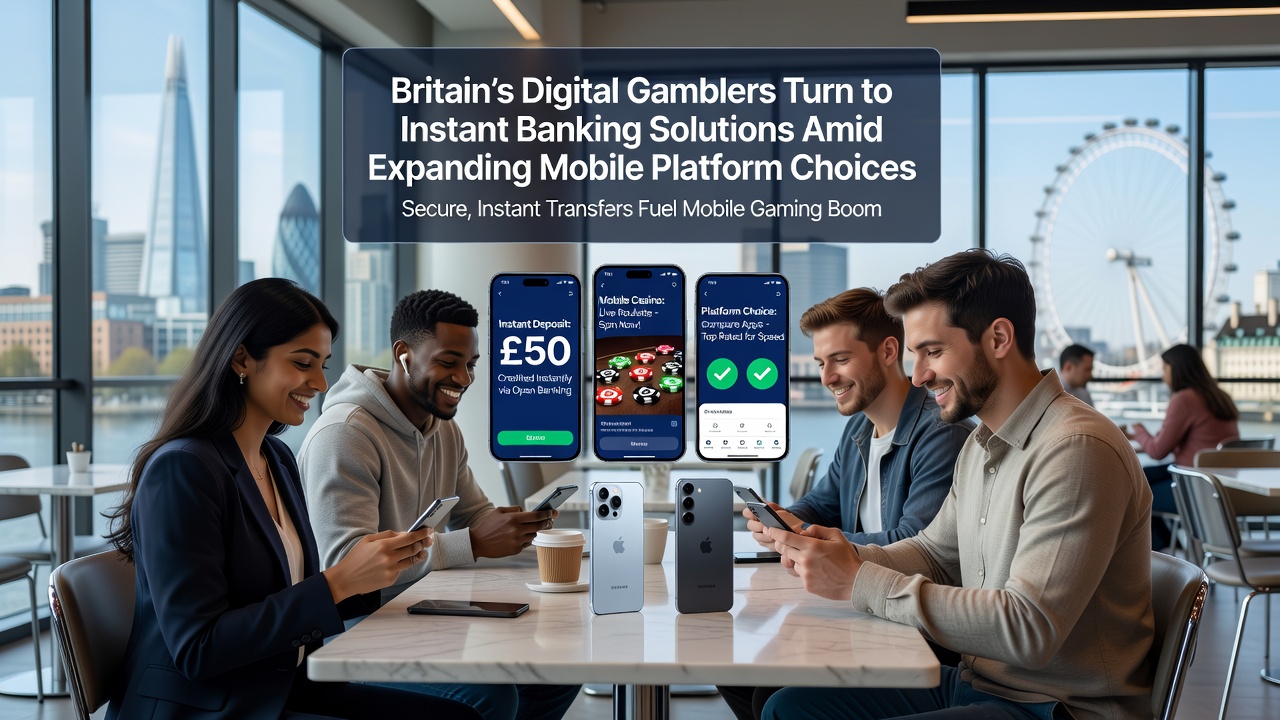
Britain's digital gambling sector continues to evolve as users adopt instant banking solutions that align with the rapid growth of mobile platforms, and data from multiple international sources shows increasing reliance on real-time payment systems for deposits and withdrawals. Observers note that the expansion of app-based interfaces has coincided with broader availability of open banking tools, allowing transactions to complete in seconds rather than days. This shift reflects patterns seen across various regulated markets where technology infrastructure supports faster financial interactions.
Expansion of Mobile Platforms Reshapes Access
Mobile applications now account for the majority of user sessions in Britain's online gambling environment, and statistics released by industry monitoring groups indicate that smartphone usage surpassed desktop access several years ago. Developers have integrated features such as biometric authentication and push notifications that streamline entry points while maintaining compliance with existing frameworks. Those who track platform trends point out that new entrants often prioritize cross-device compatibility, which reduces friction for users switching between tablets and phones during sessions.
Figures from the Bank for International Settlements highlight how instant payment rails have gained traction globally, with Britain among the regions where adoption rates climbed steadily through 2025. In June 2026, additional reports documented further integration of these systems into consumer-facing apps, enabling seamless transfers without traditional clearing delays.
Instant Banking Solutions Gain Ground
Digital wallets, open banking APIs, and faster payment services now feature prominently in transaction flows, and research compiled by academic institutions shows measurable reductions in processing times when these tools replace older methods. Users can initiate deposits directly from linked accounts, with funds appearing almost immediately in platform balances. Withdrawals follow similar paths, returning balances to source accounts within minutes in many documented cases.
Key Technologies Driving the Change
- Open banking protocols that permit secure data sharing between financial institutions and service providers
- Real-time settlement networks that bypass batch processing cycles
- Embedded wallet options within mobile operating systems that store verified credentials
- API connections that allow gambling platforms to confirm transactions without manual intervention
Analysts at research organizations have observed that these technologies reduce the number of steps required for each transaction, which in turn supports higher volumes of smaller, repeated activities. Evidence gathered from transaction logs across European markets, including Britain, demonstrates consistent uptake since the rollout of enhanced faster payments infrastructure.
Comparative Trends Across Jurisdictions
Similar developments appear in other regions where mobile gambling has matured, and reports from Canadian provincial regulators alongside Australian research centers describe parallel movements toward instant settlement options. Britain's market exhibits distinct characteristics due to its dense concentration of operators and high smartphone penetration, yet the underlying payment preferences mirror those documented elsewhere. Data aggregated by international bodies reveals that jurisdictions with mature open banking frameworks experience quicker shifts away from card-based methods.
One study published through university channels examined user behavior in multiple countries and found that instant banking correlates with increased session frequency, although average spend per session remained stable. This pattern holds across demographic groups once access to compatible banking apps is established.
Security and Verification Protocols
Enhanced verification layers accompany these faster systems, and industry guidelines emphasize multi-factor authentication alongside device fingerprinting to maintain transaction integrity. Regulatory bodies outside Britain, such as those operating in parts of the European Union, have issued technical standards that influence how platforms implement real-time checks. Observers note that these measures help balance speed with risk mitigation, preventing unauthorized movements while preserving user convenience.
Case examples from platform operators show that integration of these protocols has led to fewer declined transactions compared with legacy card processing routes. The result appears in aggregated statistics that track successful completion rates over successive quarters.
Future Infrastructure Developments
Planned upgrades to national payment systems continue through 2026 and beyond, with specifications that further embed instant capabilities into everyday financial apps. Collaboration between technology providers and financial institutions drives these changes, creating environments where gambling platforms can leverage existing rails without building proprietary solutions. International comparisons suggest Britain sits among leaders in infrastructure readiness, though ongoing refinements remain necessary as volumes grow.
Conclusion
The movement toward instant banking within Britain's mobile gambling landscape reflects broader technological convergence between financial services and digital entertainment platforms. Data from sources such as the Bank for International Settlements and academic research centers indicates sustained growth in adoption, supported by expanding app ecosystems and refined security measures. As infrastructure evolves, transaction patterns are expected to stabilize around these faster methods while maintaining alignment with regulatory expectations across comparable jurisdictions.