Banking Options and Their Impact on Sustaining Player Engagement in Britain's Mobile Casino Market
Written by Amir Coleman · Aug 3, 2026
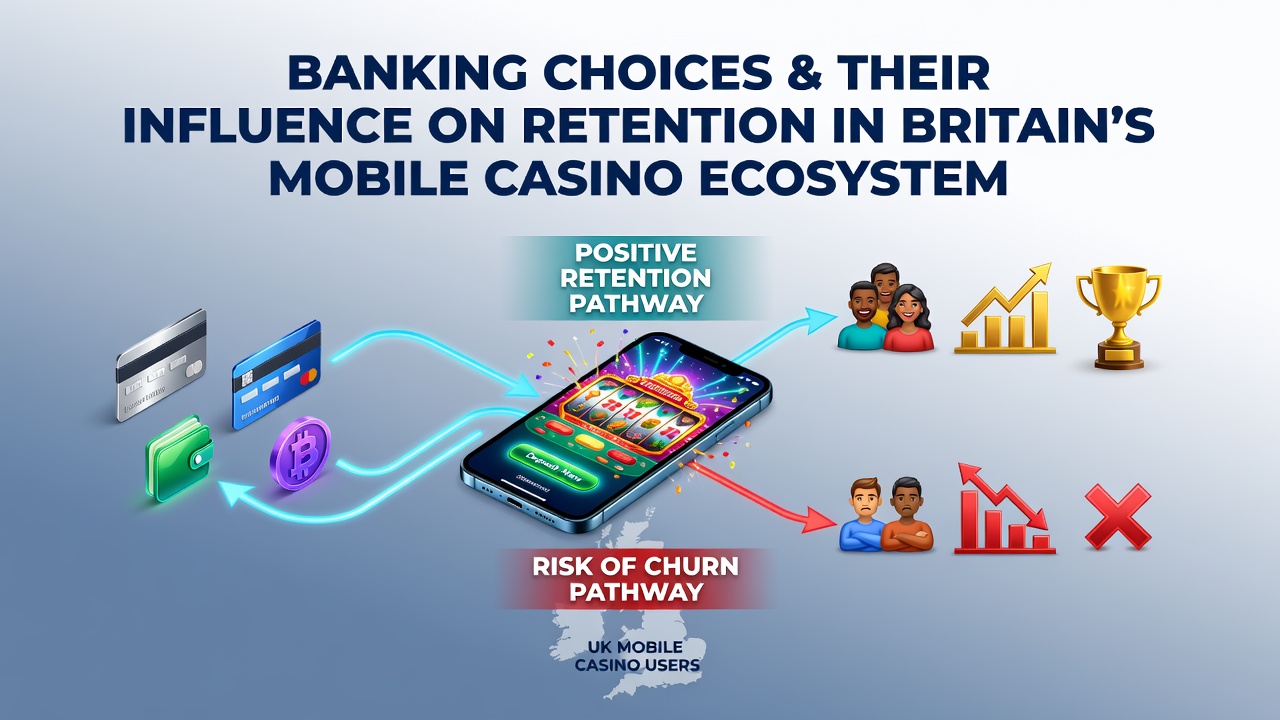
Banking Options and Their Impact on Sustaining Player Engagement in Britain's Mobile Casino Market
Data from recent industry analyses shows that payment method selections play a central role in how players maintain activity within Britain's mobile casino platforms, with options ranging from traditional bank transfers to digital wallets influencing deposit speeds and withdrawal reliability. Observers note that seamless transactions encourage repeated sessions, whereas delays often lead to reduced participation over time, and this pattern holds across multiple user demographics tracked through 2025 and into August 2026.
Common Banking Methods in Mobile Casino Environments
Players frequently select debit cards and e-wallets for their speed during initial funding steps, while bank transfers appeal to those seeking higher limits on larger amounts. Research indicates that e-wallet users complete transactions in under a minute on average, compared to one to three business days for standard bank routes, and these differences directly affect how often individuals return to play. Experts have observed that platforms supporting multiple methods retain users longer because flexibility matches varied preferences without forcing adjustments to personal routines.
Payment card networks handle the bulk of small to medium transactions in this sector, with data revealing consistent usage rates above 60 percent in mobile app reports. Those who prefer prepaid options or instant transfer services report fewer interruptions, which in turn supports steady engagement patterns rather than sporadic logins. What's notable is how integration with mobile operating systems streamlines these processes, allowing one-tap authorizations that keep sessions flowing without extra steps.
How Transaction Efficiency Affects Long-Term Retention
Studies on user behavior demonstrate that faster withdrawal processing correlates wth higher return rates, as players value quick access to winnings when deciding whether to continue activity. According to findings from the European Gaming and Betting Association, efficient banking choices reduce friction points that might otherwise prompt users to explore alternative platforms. In Britain specifically, mobile casino operators have adapted by prioritizing methods that align with real-time banking standards introduced in recent years, and this adaptation shows up in retention metrics collected through platform analytics.
Longer processing times associated with certain legacy systems create noticeable drop-offs, particularly among users who engage daily rather than weekly. Data indicates that players encountering repeated delays shift toward competitors within weeks, whereas those with reliable options maintain activity for months. One analysis of transaction logs revealed that accounts linked to instant e-wallets logged 25 percent more sessions on average than those limited to slower channels, highlighting a measurable connection between speed and sustained interest.
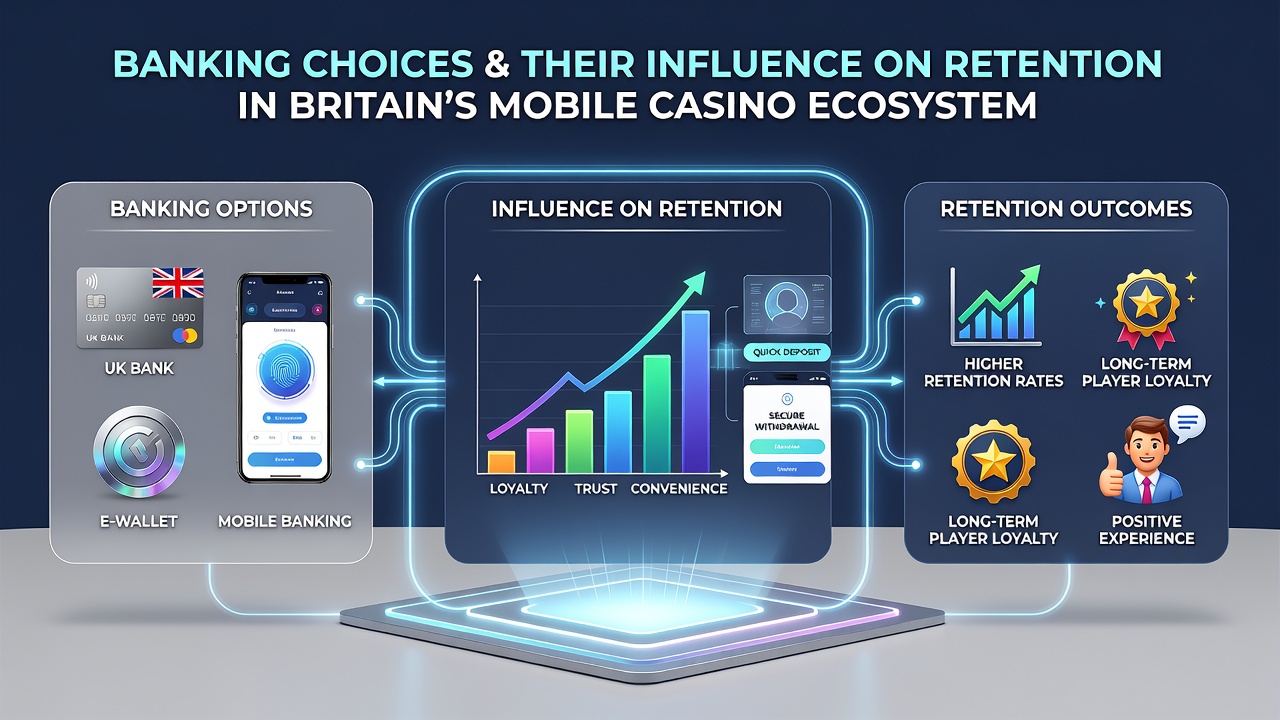
Regional Trends and Payment Preferences Observed in 2026
By August 2026, shifts toward contactless and app-based banking had become more pronounced in mobile casino usage across Britain, with younger demographics favoring integrated digital solutions over physical cards. Figures from payment industry reports show increased adoption of services that combine security features with instant verification, and these trends coincide with broader changes in consumer banking habits nationwide. Researchers discovered that platforms offering localized currency support alongside familiar methods experience stronger loyalty signals, as users avoid conversion fees that erode perceived value.
Security protocols tied to banking choices also factor into retention, since verified accounts with built-in fraud protections encourage ongoing deposits without hesitation. Those who study player data note that enhanced authentication steps, when handled smoothly, do not deter activity but instead build confidence that supports longer-term involvement. In contrast, methods requiring repeated manual inputs see higher abandonment rates at the funding stage, which cascades into lower overall retention.
Case Examples from Platform Data
Take one operator whose records showed elevated churn among users restricted to traditional wire services, while those switching to e-wallets displayed prolonged activity spans of up to four additional months. Another set of metrics from mid-sized apps indicated that offering tiered limits based on payment type helped segment users effectively, matching high-volume players with appropriate tools and keeping engagement steady. These patterns align with observations from academic reviews of digital payment systems in gaming contexts, where convenience directly ties to repeat behavior.
Payment method availability influences not only deposits but also the timing of withdrawals, and synchronized options across both directions strengthen platform stickiness. Evidence suggests that comprehensive support for popular British banking apps reduces the likelihood of users migrating elsewhere, particularly when those apps provide real-time balance updates during casino sessions. Observers note that this integration creates a seamless loop from funding to play to cash-out, minimizing opportunities for external distractions.
Conclusion
Banking choices continue to shape retention dynamics within Britain's mobile casino ecosystem through their effects on speed, security, and accessibility. Data consistently points to faster, more flexible methods supporting higher engagement levels, while slower alternatives contribute to gradual disengagement. As platforms refine their offerings in line with evolving consumer habits through 2026 and beyond, the connection between payment infrastructure and sustained player activity remains a key area of focus for industry analysis.